
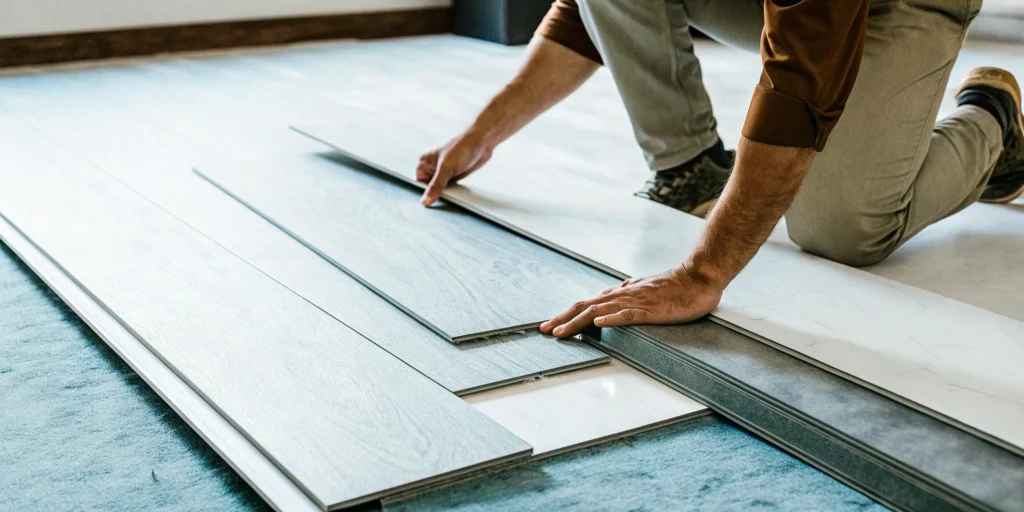
Of all the home upgrades you can make, new flooring offers one of the most dramatic transformations. It sets the tone for the entire room, tying together your furniture, paint, and decor. Luxury vinyl plank gives you the stunning look of hardwood without the worry, but turning that stack of boxes into a seamless, beautiful surface requires a careful process. This is where the real magic happens. We’ve created this comprehensive guide to demystify the luxury vinyl plank installation from start to finish. We’ll show you how proper preparation and technique result in a flawless floor that completely revitalizes your space.
Key Takeaways
- Your Foundation is Everything: A perfectly clean and level subfloor is the secret to a flawless finish. Don’t forget to let your new planks acclimate in the room for at least 48 hours to prevent gapping or buckling later on.
- Focus on Gaps and Staggering: For a strong, beautiful floor, maintain a consistent ¼-inch expansion gap around the entire room and stagger the seams between rows. These two techniques are essential for a professional look that lasts.
- Balance DIY with Professional Expertise: A simple, square room can be a great DIY project, but for large areas, tricky layouts, or imperfect subfloors, hiring a professional is a smart investment that guarantees a fast, correct installation.
Why Choose Luxury Vinyl Plank (LVP) Flooring?
If you’re looking for a flooring that combines stunning looks with serious durability, luxury vinyl plank is probably already on your radar. It has quickly become a favorite for Dallas-Fort Worth homeowners, and for good reason. LVP offers the timeless beauty of natural materials like hardwood and stone but without the demanding upkeep or high price tag. It’s a practical, modern solution designed for real life—from busy family kitchens to quiet, relaxing bedrooms.
The magic of LVP lies in its construction. Made from multiple layers, it’s engineered to withstand scratches, spills, and the daily chaos of a busy home. Whether you’re dealing with kids, pets, or just a lot of foot traffic, LVP holds up beautifully while looking fantastic. It’s the rare flooring choice that doesn’t force you to choose between style and function. You get both, which is why we so often recommend it as a versatile foundation for almost any room in the house.
The Key Benefits of LVP
So, what makes LVP a standout choice? First and foremost, it’s incredibly resilient. The top wear layer is designed to resist scuffs and stains, making cleanup simple and stress-free. Spilled juice or muddy paw prints are no match for it. Second, most LVP products are 100% waterproof. This means you can confidently install it in moisture-prone areas like bathrooms, kitchens, and laundry rooms without worrying about water damage. Finally, the design possibilities are nearly endless. From rustic, wide-plank wood looks to sleek, modern stone tiles, you can achieve a high-end aesthetic that perfectly matches your home’s style.
LVP vs. Other Flooring: A Quick Comparison
When you’re weighing your options, it helps to see how LVP stacks up against other popular flooring types. Compared to traditional hardwood, LVP is generally more affordable and requires far less maintenance over its lifespan. While hardwood is beautiful, it’s susceptible to water damage and scratches. LVP gives you a similar look with waterproof peace of mind.
Against laminate, the biggest difference is water. While some laminates are water-resistant, LVP is typically fully waterproof, making it a safer choice for any room. And when compared to ceramic or porcelain tile, LVP is warmer and softer underfoot, which can make a big difference in comfort. It’s also less likely to crack if something heavy is dropped on it.
Gather Your Tools and Materials
Getting organized before you lay the first plank is one of the best things you can do for a smooth installation. Nothing slows down a project faster than having to stop and run to the store for a tool you forgot. Taking a few minutes to gather everything you need will set you up for success and make the entire process feel much more manageable. Think of it as your pre-project checklist—once everything is in the room and ready to go, you can focus completely on the installation itself.
Your LVP Installation Toolkit
You don’t need a workshop full of power tools for this project, but a few key items are non-negotiable. Your basic LVP toolkit should include a measuring tape, a utility knife for straight cuts, a tapping block, and a rubber mallet to gently lock the planks together. You’ll also want a pull bar to tighten the last plank in a row and 1/4-inch spacers to maintain your expansion gap along the walls. Having these essential tools on hand will help you get those clean, professional-looking results you’re after and prevent damage to the flooring planks during installation.
Essential Materials and Supplies
Beyond the planks themselves, your most important material is what’s underneath them. Your subfloor must be clean, dry, and perfectly level to support your new LVP. If you have uneven spots, you may need a self-leveling compound to smooth them out. It’s also critical to let your new flooring acclimate. This just means you need to move the unopened boxes of planks into the room where they’ll be installed for at least 48 hours. This gives the material time to adjust to your home’s temperature and humidity, which is a crucial step to prevent buckling or gapping after installation.
A Quick Safety Gear Checklist
Finally, let’s talk about safety and comfort. This project involves a lot of time on your hands and knees, so a good pair of knee pads is a must. This might seem like a small thing, but they make a huge difference in how you’ll feel at the end of the day. Many DIYers who’ve been through the process agree that this is one accessory you shouldn’t skip. You’ll also want a pair of safety glasses to protect your eyes when cutting planks and some work gloves to keep your hands safe. Taking these simple precautions ensures your project is not only successful but also safe.
How to Prep Your Room for LVP Installation
A beautiful, long-lasting LVP floor starts long before the first plank is laid. Proper preparation is the single most important factor in achieving a flawless finish that stands up to daily life. While our team at Next Day Flooring handles the technical work, understanding these key steps helps you know what to expect and why each one is so critical for the final result. Getting the foundation right ensures your new floors will look great and perform well for years to come. Think of it as setting the stage for a successful installation—it’s where quality begins.
Assess and Prepare Your Subfloor
The subfloor is the existing surface that your new LVP will be installed over, and it needs to be in great shape. Before we lay any planks, the subfloor must be perfectly clean, dry, and level. Any lingering dust or debris can prevent the planks from locking together correctly, while moisture can cause serious issues down the line. Most importantly, the subfloor has to be flat. Even small dips or bumps can create bouncy spots, gaps between planks, or uneven wear over time. A professional installer will check the subfloor for levelness and apply a leveling compound if needed to create a smooth, stable foundation for your new flooring.
Acclimate Your Planks (and Why It Matters)
It might seem like an unnecessary delay, but letting your new LVP planks acclimate is a step you can’t afford to skip. Acclimation is simply the process of letting the flooring material adjust to your home’s specific temperature and humidity levels. We recommend bringing the unopened boxes into the room where they’ll be installed and letting them sit for at least 48 hours. This prevents the planks from expanding or contracting after they’ve been installed, which can cause the floor to buckle or pull apart at the seams. It’s a simple but crucial step that ensures a tight, secure fit and a durable, long-lasting result.
Clear the Room and Plan Your Layout
To get started, the room needs to be a completely blank slate. This means moving all furniture, décor, and other belongings out of the space. Our team will then handle the removal of the old flooring, whether it’s carpet, tile, or old vinyl. Once the room is clear, we can plan the layout. We unpack the planks and intentionally mix them to ensure a natural, varied appearance. This prevents planks with identical patterns from ending up next to each other, which is a dead giveaway of a poorly planned installation. This thoughtful flooring layout planning is what creates a high-end, seamless look across the entire room.
Understanding LVP Installation Methods
When it comes to installing luxury vinyl plank flooring, there isn’t a one-size-fits-all approach. The two primary techniques are the floating (or click-lock) method and the glue-down method. Each has its own set of benefits and is suited for different situations, so understanding the basics will help you feel confident in the process, whether you’re tackling a small room yourself or working with a professional.
The right choice depends on factors like your subfloor condition, the amount of foot traffic the room gets, and your long-term goals for the space. Let’s break down how each method works so you can see what makes the most sense for your home.
Floating Floors: The Click-Lock Method
The floating floor is by far the most common installation method for residential LVP. The name says it all: the planks aren’t actually attached to the subfloor with any adhesive. Instead, they feature a clever tongue-and-groove system that allows them to click and lock together, creating a secure, seamless surface that “floats” over the subfloor. This approach is popular because it’s fast, clean, and doesn’t require messy glues. It also makes it easier to replace a single plank down the road if one gets damaged. Because the floor isn’t glued down, it can expand and contract naturally with temperature changes.
The Glue-Down Method
For a more permanent and heavy-duty installation, there’s the glue-down method. With this technique, a special adhesive is spread across the subfloor with a trowel, and each plank is carefully set into place. A heavy roller is then used to press the planks firmly into the glue, ensuring a solid bond that won’t shift or lift over time. This method is the gold standard for commercial spaces or high-traffic areas in a home—think busy entryways, kitchens, or hallways. While it’s a more intensive process, a glue-down installation provides incredible stability and durability, making it a fantastic long-term solution.
Which Method Is Right for Your Home?
So, how do you choose? A floating floor is often perfect for standard rooms like bedrooms and living areas. However, if your subfloor has some minor imperfections or you’re installing LVP in a large, open-concept space or a room with heavy furniture, the glue-down method might provide better stability. While some homeowners feel comfortable with a DIY click-lock installation, a professional can ensure the job is done right, especially for bigger or more complex projects. An expert vinyl flooring installation will always start with an assessment of your subfloor and room layout to recommend the method that will give you the best performance and longest-lasting results.
How to Install Floating LVP: A Step-by-Step Guide
Alright, this is where the real fun begins. With your room prepped and your tools ready, it’s time to lay your new floor. The click-lock method is incredibly satisfying, and once you get a rhythm going, you’ll see your room transform plank by plank. We’ll walk through the process together, focusing on the key techniques that ensure a professional, long-lasting result. Remember to take your time on the first few rows—a strong start makes everything else fall into place.
Laying the First Row Perfectly
Your first row sets the standard for the entire installation, so it’s worth getting it just right. Start in a corner, placing the first plank with its tongue side facing the wall. It’s critical to leave a ¼-inch gap between the plank and the wall. Use spacers to maintain this distance consistently. This isn’t just a suggestion; it’s an essential expansion gap that allows the flooring to expand and contract with temperature changes without buckling. Continue laying planks end-to-end until you complete the row, making sure each connection is tight and secure.
Installing the Next Rows and Staggering Seams
To create a floor that’s both beautiful and strong, you need to stagger the seams. This means the end joints of your planks shouldn’t line up from one row to the next. A good rule of thumb is to ensure the seams are offset by at least 8 to 10 inches. You can use the piece you cut from the end of the first row to start your second row (as long as it’s long enough). This technique creates a more natural, random look that mimics real wood and adds structural integrity to the entire floor, preventing weak points from forming.
How to Cut Planks and Fit Around Obstacles
You’ll inevitably need to cut planks to fit at the end of rows or around obstacles like doorways and vents. For straight cuts, simply score the plank with a sharp utility knife and snap it along the line. It’s a quick and surprisingly clean method. When you get to a door frame, don’t try to cut the plank to fit around it. Instead, use an oscillating multi-tool to cut the bottom of the door frame. This allows you to slide the plank right underneath, creating a seamless, professional finish that makes a huge difference in the final look.
Managing Expansion Gaps for a Lasting Floor
We mentioned the expansion gap when starting the first row, and it’s important to maintain it around the entire perimeter of the room. This includes walls, cabinets, pipes, and any other fixed objects. This small, hidden space is your floor’s best friend. It gives the planks room to breathe, expanding and contracting naturally with Dallas’s changing humidity and temperatures. Skipping this step is one of the most common DIY mistakes and can lead to your beautiful new floor buckling or separating over time. Always use spacers to keep that ¼-inch gap consistent as you work.
Add the Finishing Touches
With all the planks clicked into place, you’re on the home stretch. But the job isn’t quite done yet. These finishing touches are what separate a good DIY job from a truly professional-looking installation. Taking the time to properly install trim and clean up correctly not only makes your new floor look incredible but also protects it for the long haul. Think of these final steps as the frame for your masterpiece—they tie everything together and ensure your hard work really shines. These details are non-negotiable for a floor that looks and performs its best for years.
Install Transition Strips and Moldings
Transition strips are the clean, simple solution for doorways and areas where your LVP meets another type of flooring, like carpet or tile. They cover the gap between the two surfaces, creating a smooth and safe threshold that prevents tripping. When you’re installing LVP across multiple rooms, a great pro tip is to align the long joints of your planks with the doorways for a continuous, seamless flow. This small detail makes a huge difference in the final look. Choosing the right molding and trim will protect the edges of your planks from chipping and wear, keeping your floor polished and secure.
Finish with Baseboards or Quarter Round
Remember that small expansion gap you carefully left around the perimeter of the room? Now it’s time to cover it up. Installing baseboards or a smaller trim called quarter round is the final step to framing your new floor. This trim neatly hides the gap, gives the room a clean edge, and protects the base of your walls from scuffs and bumps from furniture or vacuums. If you removed your old baseboards before starting, you can reinstall them now. If you left them in place, adding a quarter-round molding along the bottom is an easy way to get that polished, professional finish without much extra work.
Your Final Walk-Through and Cleanup
Before you move the furniture back in, take a moment for one last quality check. Walk across the entire floor, feeling for any planks that might be loose, uneven, or make a noise. Now is the easiest time to fix any minor issues. Once you’re satisfied, give the floor a thorough sweep to remove any dust and debris from the installation. Follow up with a light cleaning using a product recommended by your flooring’s manufacturer. Following the specific manufacturer’s guidelines from day one is the best way to keep your LVP looking brand new and protect your investment.
Common Installation Mistakes to Avoid
Even the most beautiful LVP can look amateurish if the installation isn’t done right. While luxury vinyl is known for being DIY-friendly, a few common missteps can lead to floors that buckle, gap, or just don’t feel solid underfoot. Getting these details right is what separates a good-enough job from a great one that lasts for years.
Understanding these potential pitfalls is the first step, whether you decide to tackle the project yourself or bring in a professional. Let’s walk through the most frequent mistakes we see and how to avoid them for a flawless finish that you’ll love for years to come.
Skipping Subfloor Prep
Think of your subfloor as the foundation for your new LVP. If it’s not clean, flat, and smooth, any imperfections will eventually show through. Small bumps, dips, or even leftover debris can create hollow spots, lead to creaking, and cause the locking mechanisms between planks to fail over time. As flooring experts explain, a successful vinyl flooring installation depends on a well-prepared subfloor. Taking the time to level, patch, and thoroughly clean the surface is non-negotiable for a floor that feels solid and looks perfect.
Forgetting the Expansion Gap
LVP flooring, like many materials in your home, expands and contracts with changes in temperature and humidity. It needs a little breathing room to do this without causing problems. That’s why leaving a small expansion gap—typically about a quarter-inch—around the perimeter of the room is so important. Without this space, the planks can press against the walls and each other, leading to buckling or peaking at the seams. This small detail is essential for maintaining the integrity of your flooring and is a clear sign of a professional installation. The gap will be covered by baseboards, so you’ll never even see it.
Making Incorrect Cuts and Layouts
A great LVP installation looks natural and balanced, which comes down to smart planning. One common mistake is failing to stagger the seams properly, creating a repetitive “H-pattern” that looks unnatural. It’s also important to mix planks from different boxes to blend any variations in color and pattern. Another layout error is not measuring the room correctly, which can leave you with a very narrow, awkward-looking plank on the final row. A little layout planning beforehand prevents these aesthetic issues and ensures your floor looks cohesive and professionally installed from every angle.
How to Care for Your New LVP Floors
Now that your beautiful new floors are installed, you’ll want to keep them looking their best. The good news is that LVP is incredibly durable and low-maintenance. With a simple and consistent care routine, you can protect your investment and ensure your floors look fantastic for years to come. It’s all about establishing a few good habits that prevent dirt and damage before they start.
Your Daily and Weekly Cleaning Routine
The key to keeping LVP pristine is consistency. Start by sweeping or vacuuming daily to remove dirt, dust, and grit that can act like sandpaper and cause tiny scratches over time. Be sure to use a vacuum without a beater bar, or one where you can turn it off.
When spills happen, wipe them up right away with a soft cloth. Even though LVP is waterproof, letting liquids sit can lead to staining or create a slippery spot. For a deeper weekly clean, mop with a microfiber mop and a pH-neutral cleaner made for vinyl floors. It’s important to avoid harsh chemicals, vinegar, or ammonia-based products, as they can dull the finish and damage the protective wear layer.
Long-Term Care and Damage Prevention
A little prevention goes a long way in protecting your LVP floors. Place doormats at all exterior doors to catch dirt, rocks, and moisture before they get tracked inside. For heavy furniture and appliances, use floor protectors to prevent dents and scuffs. It’s also a great idea to stick felt pads on the bottom of chair and table legs to allow them to slide smoothly without scratching the surface.
While LVP is tough, it’s not indestructible. Avoid dragging heavy objects across the floor. Always lift and carry furniture when moving it. Following these simple do’s and don’ts will help you avoid common issues and keep your floors in top condition.
DIY vs. Hiring a Pro: Making the Right Call
Deciding whether to install your new LVP flooring yourself or hire a professional is a big part of the planning process. Luxury vinyl is often marketed as a DIY-friendly product, and for good reason. The click-lock systems are designed to be intuitive, and you don’t need a workshop full of specialized tools to get the job done.
However, a smooth installation involves more than just clicking planks together. Your decision should balance your budget, timeline, and confidence in your own handiwork. A successful DIY project can be incredibly rewarding, but a professional installation guarantees a flawless finish without you having to sacrifice a weekend. Let’s break down when each path makes the most sense for your home.
When a DIY Installation Makes Sense
If you’re comfortable with home improvement projects and have a straightforward space to work with, a DIY installation is definitely achievable. Of all the flooring options, luxury vinyl plank is one of the simplest to install yourself. The material is easy to cut, and the floating floor method means you’re just snapping the planks together over your subfloor.
A DIY approach is often a great fit if:
- The room is small and square. A guest bedroom, home office, or laundry room without complex angles is a perfect starting point.
- Your subfloor is already level and clean. If you don’t have to do major prep work, the job becomes much simpler.
- You have the time. A proper installation takes patience. Make sure you have a full weekend to dedicate to the project without feeling rushed.
Signs It’s Time to Call a Professional
While LVP can be a great DIY project, there are many situations where calling a professional is the smarter, safer, and even more cost-effective choice in the long run. Even though luxury vinyl is considered DIY-friendly, professional installation is a good choice if you’re not confident or if the area is large or complicated. An experienced installer can handle challenges that might frustrate a first-timer.
Consider hiring a pro if:
- You’re flooring a large or irregularly shaped area. Professionals have the tools and techniques to handle long hallways, open-concept spaces, and tricky cuts around cabinets or stairs.
- Your subfloor needs work. An installer can properly identify and fix issues with your subfloor to ensure your new LVP lasts for years.
- You want it done fast and right. If you’re on a tight timeline—like moving into a new home or preparing to sell—a professional team can complete the job efficiently and correctly, often in just a day. A reputable installer will also provide a labor warranty, giving you peace of mind.
Related Articles
- Vinyl (LVP/LVT) Flooring – Next Day Flooring
- Cost of Laminate Flooring: A Complete Breakdown – Next Day Flooring
- Laminate Flooring – Next Day Flooring
- Engineered Wood Flooring – Next Day Flooring
Frequently Asked Questions
Can I install LVP directly over my old flooring? This is a great question, and the answer is sometimes, but not always. You can often install LVP over existing sheet vinyl or even some types of tile, as long as the original floor is perfectly flat, smooth, and securely attached to the subfloor. However, you should never install it over carpet or another floating floor like laminate. The most important thing is having a solid, level foundation. Putting a beautiful new floor over a flawed surface will only lead to problems like gapping or bouncing down the road.
How long does a professional LVP installation usually take? One of the best parts of choosing LVP is how quickly it transforms a space. For a professional team, a typical project covering a few rooms can often be completed in just one to two days. This timeline usually includes removing the old flooring, making sure the subfloor is perfectly prepped, and installing the new planks and trim. It’s a fast and efficient process that minimizes disruption to your home life.
Is LVP a good choice for homes with pets and kids? Absolutely. In fact, it’s one of the best flooring options for a busy, active household. The durable top wear layer is designed to stand up to scratches from pet claws and the general chaos of family life. Plus, since most LVP is 100% waterproof, you don’t have to panic about spilled juice or pet accidents. Cleanup is simple, which makes it a practical and stress-free choice for parents.
What’s the real difference between “waterproof” and “water-resistant” flooring? This is a critical distinction to understand. A “water-resistant” floor, like many laminates, can handle topical spills if you clean them up right away. If liquid sits too long, it can seep between the seams and damage the core of the plank or your subfloor. “Waterproof” LVP, on the other hand, is made from materials that won’t swell or break down when exposed to water. This means the planks themselves are protected, making LVP a much safer bet for bathrooms, kitchens, and laundry rooms.
My subfloor isn’t perfectly level. Is that a big deal? Yes, it is the single most important factor in a successful installation. An uneven subfloor will prevent the LVP planks from locking together securely, which can cause gaps to appear between boards. You might also notice soft, bouncy spots or hear clicking sounds when you walk across the floor. Over time, this constant movement can damage the locking system and ruin your new floor. Taking the time to properly level the subfloor is a non-negotiable step for a beautiful, long-lasting result.