
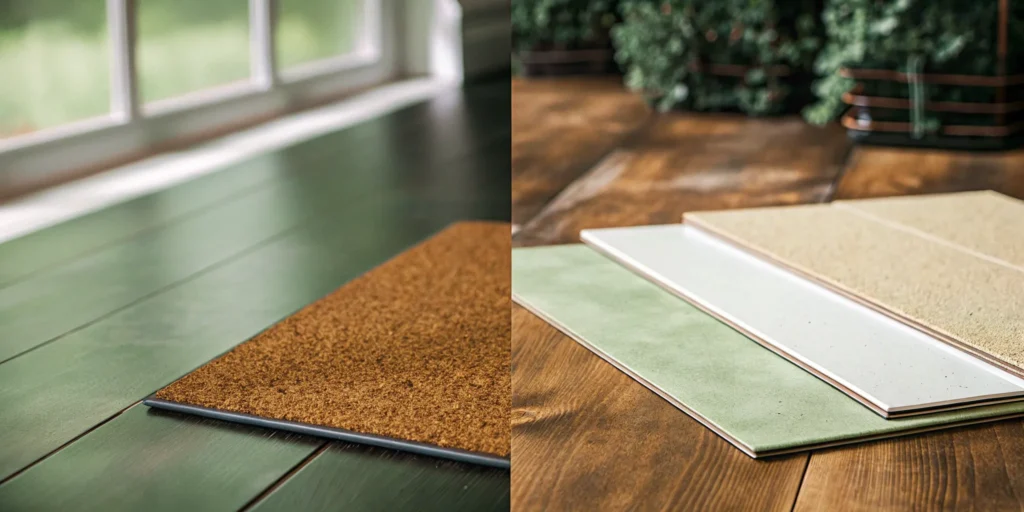
Choosing new flooring often feels like a compromise. You might have to pick between a floor that’s tough enough for kids and pets or one that’s comfortable and quiet underfoot. But what if you didn’t have to choose? Luxury vinyl flooring with cork backing offers the best of both worlds, ending the need to sacrifice one benefit for another. It pairs a resilient, waterproof vinyl surface with an integrated cork underlayment that provides natural cushioning and sound reduction. This means you get a floor that can handle real-life messes and high traffic while also making your home feel softer, warmer, and more peaceful from the moment it’s installed.
Key Takeaways
- Enjoy superior comfort and sound reduction: The integrated cork backing provides a cushioned feel underfoot that is easier on your joints and naturally absorbs sound, creating a quieter and more peaceful home.
- Get a floor built for real life: Cork-backed LVP combines a durable, waterproof surface with a shock-absorbing base, while the cork itself naturally resists mold and mildew, contributing to a healthier environment.
- Prioritize quality for a lasting investment: For the best long-term performance, choose a plank with a thick wear layer and a rigid core, and always opt for professional installation to ensure your subfloor is correctly prepared.
What is Luxury Vinyl Flooring with Cork Backing?
When you hear about luxury vinyl flooring, you probably think of its durability and waterproof features. But what happens when you add a natural, sustainable material like cork into the mix? You get luxury vinyl flooring with cork backing, a modern solution that combines the best of both worlds. Think of it as an upgraded version of standard luxury vinyl plank (LVP). Instead of a basic foam pad, each plank comes with a pre-attached layer of cork on the bottom. This built-in underlayment is what truly sets it apart, creating a floor that’s not only beautiful and tough but also remarkably comfortable underfoot.
The addition of cork completely changes the feel of your room. It provides a subtle cushion that’s easier on your joints, making it ideal for kitchens where you spend a lot of time standing. It also offers excellent sound reduction between floors and adds a layer of thermal insulation to keep your space comfortable year-round. For homeowners in the Dallas–Fort Worth area looking for a high-performance floor that doesn’t compromise on comfort or style, cork-backed LVP is an excellent choice. It’s a smart investment in a floor that looks great and feels even better from the moment it’s installed.
How It’s Made: A Look Inside the Layers
To understand what makes cork-backed LVP special, it helps to look at its construction. Each plank is made of several layers fused together. At the top is a durable wear layer that protects against scratches and scuffs, followed by the high-definition vinyl design layer that gives the floor its look. Beneath that is a strong, waterproof core that provides stability and prevents warping. The final layer is the pre-attached cork underlayment. This integrated design means you get the benefits of a premium luxury vinyl plank and a high-quality underlayment in a single, easy-to-install product.
Cork vs. Foam: What’s the Difference Underfoot?
While many vinyl floors come with a pre-attached foam backing, cork offers a noticeably better experience. Cork has a natural springiness that provides a more cushioned feel, making it more comfortable to stand and walk on for long periods. It’s also a fantastic acoustic insulator. In fact, a quality cork backing can reduce noise transfer by up to 50%, making it a perfect choice for second-story rooms or busy households. Unlike some foam pads, cork is naturally resistant to mold and mildew, contributing to a healthier home environment. This makes cork backing a clear winner for comfort, quiet, and peace of mind.
The Benefits of Choosing Cork-Backed LVP
When you think about new floors, you probably focus on color and style. But what’s underneath the surface is just as important for your home’s comfort and durability. Luxury vinyl plank with a cork backing isn’t just a trend; it’s a smart upgrade that brings some serious advantages. The attached cork layer acts as a built-in underlayment, improving everything from the way the floor feels underfoot to the sound in the room.
For homeowners in the Dallas–Fort Worth area, these benefits are especially practical. Cork adds a layer of insulation against our hot summers, creates a quieter environment for busy families, and even contributes to a healthier home. It’s a feature that works hard behind the scenes to make your daily life a little more comfortable. Let’s look at exactly what makes this type of luxury vinyl flooring such a great choice.
A Softer, More Comfortable Step
One of the first things you’ll notice about cork-backed LVP is how much better it feels to walk on. The natural cork layer provides a subtle cushioning that you just don’t get from standard rigid flooring. This makes a real difference in rooms where you spend a lot of time on your feet, like the kitchen or a home office. The floor has a slight give that helps absorb impact, making it gentler on your joints.
This added comfort is perfect for families with young children who spend a lot of time playing on the floor or for anyone who wants a cozier, more welcoming feel in their home. It strikes the perfect balance between the firm, durable surface of LVP and a softer, more forgiving feel.
Quieter Rooms and Less Noise
If you’re tired of hearing every footstep, dropped toy, or pet’s claws echoing through your home, cork backing is a fantastic solution. Cork is a natural sound insulator, and its honeycomb-like cell structure is incredibly effective at absorbing sound. In fact, some studies show that a cork underlayment can reduce noise transmission by a significant amount.
This makes a huge difference in two-story homes, where sound from upstairs can be a constant disruption. It muffles impact noises, creating a more peaceful environment for everyone. For open-concept living spaces common in DFW homes, this acoustic benefit helps reduce the hollow, echoey feeling, making your home feel calmer and more serene.
A Healthier Home: Natural Antimicrobial Qualities
Your family’s well-being is a top priority, and your flooring can play a role in maintaining a healthy home environment. Cork contains a naturally occurring waxy substance called suberin, which gives it some impressive antimicrobial and hypoallergenic properties. This means cork naturally resists the growth of mold and mildew, which is a huge plus in the humid Texas climate.
Because it’s resistant to moisture and pests, cork-backed LVP is an excellent choice for kitchens, bathrooms, and laundry rooms. It also doesn’t trap dust, dander, or other allergens the way carpet can, making it easier to maintain good indoor air quality. Choosing a floor with these features is a simple way to support a healthier living space for everyone in your household.
Better Insulation for Year-Round Comfort
We all know how intense Dallas–Fort Worth summers can be. Cork’s unique cellular structure, which is full of tiny air pockets, makes it a natural thermal insulator. This means your flooring can help your home stay cooler in the summer and warmer in the winter. While it won’t replace your HVAC system, it does help maintain a more consistent and comfortable temperature underfoot.
You’ll notice the difference on a chilly morning when your floors don’t feel icy cold, or on a hot afternoon when they don’t radiate as much heat. This added layer of insulation contributes to your home’s overall comfort and can even support your home’s energy efficiency. It’s a practical benefit that you’ll appreciate every single day.
How Cork Backing Improves Your Floor’s Performance
When you think about flooring performance, you probably focus on the top layer, the part you see and walk on every day. But what’s underneath is just as important for the floor’s longevity and daily function. A cork backing isn’t just about adding a little extra cushion; it’s an integrated feature that actively works to protect your investment. From absorbing daily impacts to handling the temperature shifts we see in the Dallas–Fort Worth area, the cork layer plays a huge role in how your floor holds up over time. It adds durability, stability, and even contributes to a healthier home environment, making it a smart upgrade for any busy household.
Built to Last: Shock Absorption and Durability
One of the biggest jobs of a cork underlayment is to absorb shock. Think about the daily stress your floors endure from footsteps, dropped items, and shifting furniture. Cork’s natural honeycomb structure compresses under pressure and then bounces back, which cushions the floor’s locking system and joints from constant impact. This shock absorption helps prevent the planks from weakening or separating over time, extending the life of your floor. It also makes the floor more forgiving on your own joints, which is a welcome benefit in kitchens or other areas where you spend a lot of time standing.
Resists Spills and Temperature Swings
Cork has incredible natural properties that make it resistant to moisture and temperature changes. It contains a waxy substance called suberin, which naturally repels water and inhibits the growth of mold and mildew. This makes cork-backed luxury vinyl flooring an excellent choice for moisture-prone areas like kitchens, bathrooms, and basements. In a climate like ours in North Texas, where humidity can fluctuate, cork’s stability helps keep the planks from expanding or contracting. This ensures your floor remains flat and secure without gapping or buckling, giving you peace of mind that your floors are built to handle real-life messes and environmental shifts.
An Eco-Friendly Flooring Choice
If making sustainable choices for your home is important to you, you’ll be happy to know that cork is a fantastic eco-friendly material. It’s a completely renewable resource because it’s harvested from the bark of the cork oak tree without ever cutting the tree down. The bark regenerates every nine years, allowing for repeated harvests throughout the tree’s long life. Choosing a floor with a cork backing means you’re opting for a product that is not only good for your home but also better for the planet. It’s a simple way to incorporate sustainable design into your space without compromising on performance or quality.
What to Look for in a Quality Cork-Backed LVP
Once you’ve decided that cork-backed LVP is a great fit for your home, the next step is sorting through the options. Not all planks are made the same, and knowing what to look for can make all the difference in how your new floors look, feel, and perform for years to come. It’s about more than just picking a color you love; it’s about investing in quality that lasts. Here’s a straightforward guide to the key features that separate a good cork-backed vinyl from a great one.
Key Features of Top-Tier Planks
High-quality cork-backed LVP offers more than just a pretty surface. The real magic is in the attached cork underlayment, which provides some incredible, built-in advantages for your home. First, it’s a natural sound dampener. That attached layer of cork can significantly reduce noise, which is a huge plus for second-story rooms, playrooms, or any space where you want a little more peace and quiet. It also adds a subtle cushioning underfoot, making the floor more comfortable to stand on for long periods and gentler on your joints. Finally, cork is naturally resistant to mold and mildew, helping to keep the air in your home healthier.
Why the Wear Layer and Thickness Matter
Think of the wear layer as your floor’s invisible shield. It’s a clear, tough top coating that protects the printed design from scratches, stains, and scuffs. The thicker this layer, the better it can stand up to daily life—from pet claws to scooted chairs and busy foot traffic. Wear layers are measured in mils (one-thousandth of an inch), and for a residential space, you’ll want something substantial. A quality plank often features a wear layer of 12 mil or higher, with 20 mil or more offering excellent durability for the most active homes. Don’t overlook this detail; it’s one of the most important factors in your floor’s long-term resilience.
How to Spot a Well-Made Product
Beyond the wear layer, a few other signs point to a well-made product. Look for planks that are described as having a rigid core. This core provides stability and helps the floor resist dents from heavy furniture or dropped objects. It also ensures the planks won’t warp or bend easily. Top-tier products are also fully waterproof, not just water-resistant. This means spills won’t seep through the cracks and damage your subfloor. High-quality cork-backed vinyl is also designed to be mold-resistant, making it a fantastic choice for kitchens, bathrooms, and basements here in the Dallas–Fort Worth area. When you’re looking at samples, feel the plank—it should feel solid and substantial, not flimsy.
Key Questions to Ask Before You Choose
Choosing the right flooring is about more than just picking a color you love. It’s about finding a material that fits your home, your family, and your lifestyle. Before you make a final decision, thinking through a few key questions can help you feel confident that you’re selecting a floor you’ll be happy with for years. Let’s walk through the most important factors to consider.
Where Will the Flooring Be Installed?
The first thing to think about is which room you’re updating. A floor that works perfectly in a quiet bedroom might not be the best fit for a busy, spill-prone kitchen. One of the biggest advantages of cork-backed LVP is its versatility. Because it’s waterproof and durable, it performs beautifully in moisture-prone areas like bathrooms, laundry rooms, and kitchens. It’s also a fantastic choice for basements and main living areas where you need a floor that can handle just about anything. This makes luxury vinyl plank flooring an excellent contender for almost any space in your Dallas–Fort Worth home.
What Condition Is Your Subfloor In?
Your subfloor is the foundation your new flooring will rest on, and its condition is critical for a successful installation. While some flooring types are very particular about needing a perfectly level surface, cork-backed LVP is often more forgiving. It’s typically installed using a “floating” method, where the planks lock together without needing glue or nails. This allows it to be laid over many existing hard surfaces with minimal prep. However, a professional evaluation is still the best way to identify any underlying issues that could affect the final result. That’s why we always start with a free in-home estimate to assess your space and ensure a flawless finish.
Does It Match Your Home’s Traffic Flow?
Take a moment to think about how you use your space. Do you have kids and pets running through the hallways? Do you love to host gatherings in your living room? High-traffic areas demand a floor that can stand up to daily wear and tear. Cork-backed LVP is engineered for durability, with a tough wear layer that resists scratches, scuffs, and stains. This makes it a smart choice for the busiest parts of your home, from the entryway to the family room. You can trust that it will maintain its beauty even with constant foot traffic, which is something our experienced team always prioritizes for DFW families.
Thinking About Your Long-Term Investment
New flooring is an investment in your home’s comfort and function. Beyond its durability, cork-backed LVP adds tangible daily benefits. The cork underlayment provides a softer, more cushioned feel underfoot, which makes a big difference in rooms where you stand a lot, like the kitchen. It also absorbs sound, helping to create a quieter, more peaceful home environment. When you choose a high-quality material and ensure it’s installed correctly, you’re not just getting a new look. You’re getting a floor that enhances your daily life and holds its value, which is a core part of all the flooring services we provide.
How Does Cork-Backed LVP Compare to Other Floors?
Choosing the right flooring often comes down to comparing your top contenders side-by-side. While luxury vinyl plank is a popular choice for Dallas–Fort Worth homeowners, the type with a cork backing offers distinct advantages that set it apart from standard LVP, laminate, and even hardwood, especially in certain areas of your home.
Cork-Backed vs. Standard LVP
While standard luxury vinyl plank is already a fantastic choice, adding a cork backing takes its performance to another level. Most LVP comes with a thin foam pad or no attached underlayment at all. This works, but cork offers a significant upgrade in comfort and function. The natural composition of cork provides superior sound insulation, which is a huge plus for busy households and two-story homes. It absorbs impact and muffles footsteps, creating a quieter, more peaceful environment. The cork layer also gives the floor a softer, more forgiving feel underfoot, making it more comfortable to stand on for long periods in the kitchen or laundry room.
How It Stacks Up Against Laminate and Hardwood
When you place cork-backed LVP next to laminate or even traditional solid wood flooring, its unique advantages become clear. Laminate can sometimes feel hollow or create a loud, clicking sound when you walk on it. Cork-backed LVP, however, absorbs that sound for a much quieter experience. Compared to hardwood, which can feel cold and hard underfoot, the cork layer provides natural thermal insulation, so your floors feel warmer in the winter. This makes it an excellent choice for bedrooms, nurseries, or any upstairs room where you want to minimize noise transfer to the floor below. You get the beautiful look of wood without the echo or the chill.
Why It Shines in Kitchens, Bathrooms, and Basements
Some flooring materials just aren’t cut out for rooms with high moisture, but this is where cork-backed LVP truly excels. In kitchens, it stands up to spills, dropped utensils, and constant foot traffic while providing a comfortable cushion for your feet. For bathrooms, its waterproof core and the natural mold- and mildew-resistant properties of cork offer peace of mind. You don’t have to worry about water damage or unhealthy growth. And in basements, which can often feel damp and cool, the cork underlayment acts as a thermal break from the concrete slab. It’s a durable, practical solution for the hardest-working flooring installations in your home.
Common Myths About Cork-Backed Vinyl
When you’re exploring new flooring, it’s easy to run into conflicting information, especially with innovative materials like cork-backed luxury vinyl. Some common misunderstandings can keep homeowners from considering what might be the perfect fit for their space. Let’s clear up a few of the biggest myths so you can make a confident decision for your Dallas–Fort Worth home.
Myth #1: It’s Prone to Moisture and Mold
This is probably the most common concern I hear, and it’s completely understandable. The idea of a natural material like cork under your floorboards might bring moisture to mind, but the opposite is true. Cork has naturally anti-microbial properties, which means it actively resists the growth of mold and mildew. This makes it a fantastic choice for areas that see occasional dampness, like kitchens, bathrooms, and laundry rooms. The vinyl layer on top provides excellent water resistance, while the cork underneath adds a layer of protection you won’t get with other underlayments.
Myth #2: It Isn’t Durable Enough for a Busy Home
Don’t let the soft feel of cork fool you; this flooring is built to handle real life. Luxury vinyl with a cork backing is designed to withstand the demands of a busy household, from kids and pets to constant foot traffic. The cork layer acts as a shock absorber, which not only makes the floor more comfortable to stand on but also helps protect the planks from dents and impacts. This combination of a tough vinyl wear layer and a resilient cork base creates a floor that’s both comfortable and incredibly durable for high-traffic areas.
Myth #3: It’s Too Complicated to Install
While any flooring installation requires skill and precision, cork-backed LVP isn’t inherently more difficult to work with. In fact, many products use a click-lock system that creates a “floating floor,” which is one of the most straightforward installation methods available. Because the underlayment is already attached, it eliminates an entire step from the process. However, proper subfloor preparation is still critical for a flawless, long-lasting result. For a truly seamless finish without the guesswork, having a professional team handle the installation ensures every plank is perfectly placed and your investment is protected.
Getting Installation Right: What You Need to Know
Choosing the right flooring is only half the battle; how it’s installed is just as critical to its long-term performance and appearance. With cork-backed LVP, the installation method can make all the difference in how the floor feels, sounds, and wears over time. While the product itself is designed for durability and comfort, a poor installation can lead to gapping, buckling, or an uneven surface that undermines all those great benefits.
The two primary installation methods for luxury vinyl are floating and glue-down. Each has its place, and the right choice depends on your subfloor, the room’s layout, and how you use the space. Understanding the basics will help you have a more informed conversation with your installer and ensure you get a beautiful, lasting result. A professional evaluation is the best way to determine the ideal approach for your Dallas–Fort Worth home, as factors like foundation type and humidity can influence the decision. Getting this step right from the start protects your investment and guarantees you’ll love your new floors for years to come.
The Advantages of a Floating Floor
Most cork-backed LVP is installed using a “floating floor” method. This means the planks connect to each other using a click-lock system, but they aren’t attached to the subfloor with glue or nails. The entire floor “floats” as a single, solid surface. This approach is popular in homes across the Dallas–Fort Worth area because it’s efficient, creates less mess, and allows the floor to expand and contract naturally with temperature changes. Because the cork backing is already attached, the installation is streamlined, providing a quiet and comfortable surface without extra steps. This method is perfect for most residential spaces, including living rooms, bedrooms, and kitchens.
When to Consider a Glue-Down Method
While floating floors are common, there are times when a glue-down installation is the better option. In this method, each plank is secured directly to the subfloor with a strong adhesive. This creates an incredibly stable and durable surface, making it a great choice for very large, open-concept rooms or areas with extremely heavy furniture, like a home gym with bulky equipment. A professional might also recommend a glue-down application if your subfloor has minor imperfections that could affect a floating installation. It’s a more permanent solution that ensures zero movement, which can be beneficial in certain high-stress environments.
Why Professional Installation Matters
Even though click-lock systems are often marketed as DIY-friendly, a professional installation is the surest way to get a flawless finish. The success of any vinyl flooring project hinges on proper subfloor preparation, which is something an expert knows exactly how to assess and handle. Professionals have the right tools for precise cuts around tricky areas like door frames and cabinets, ensuring clean lines and a polished look. More importantly, an experienced installer understands how to prevent common issues like peaking seams or gaps, which can void your warranty and lead to costly repairs down the road. Trusting an expert ensures the job is done right and efficiently, giving you peace of mind.
How to Care for Your Cork-Backed Vinyl Floors
One of the best things about cork-backed vinyl is how simple it is to maintain. You don’t need special equipment or complicated routines to keep it looking fantastic. With just a little attention, your floors will hold up beautifully to daily life in your Dallas–Fort Worth home, from busy mornings with the kids to relaxed evenings with friends. Following a few straightforward steps ensures your flooring remains a feature you’re proud of for years to come. It’s all about protecting the investment you’ve made in your home’s comfort and style.
Simple Steps for Daily Cleaning
Keeping your cork-backed vinyl floors clean is refreshingly easy. A simple routine of regular sweeping or vacuuming is usually all it takes to handle dust and daily debris. If you use a vacuum, just be sure to use a hard floor setting without the beater bar. For a deeper clean, mopping with a microfiber mop and a pH-neutral cleaner works wonders to remove grime without leaving a dull residue. This minimal effort goes a long way in preserving the floor’s original finish and preventing tiny scratches from dirt. By making this part of your weekly schedule, you ensure your luxury vinyl plank flooring stays in top condition without demanding much of your time.
Keeping Your Floors Beautiful for Years
Cork-backed vinyl is designed for real life, which is why it’s such a great fit for high-traffic areas like kitchens, hallways, and living rooms. It’s built to withstand the scratches, dents, and stains that come with a busy household. This inherent durability means you can relax and enjoy your home without constantly worrying about every little spill or dropped toy. Regular care helps maintain this resilience, ensuring your flooring continues to look as good as the day it was installed. A little maintenance allows you to fully appreciate the aesthetic appeal and longevity that make this flooring such a smart and beautiful choice for any room in your home.
Protecting Your Flooring Investment
Choosing cork-backed vinyl is more than just an aesthetic upgrade; it’s a practical investment in your home’s health and durability. The natural properties of cork help prevent mold and mildew from growing beneath your floors, which contributes to a healthier indoor environment for your family. Many high-quality options are also certified for low chemical emissions, helping maintain cleaner air. By following a simple care routine, you’re not just cleaning the floors, you’re protecting a feature that adds lasting value and wellness to your home. It’s one of the many reasons our installation team stands behind this excellent material for DFW homes.
Is Cork-Backed LVP the Right Fit for Your DFW Home?
Choosing the right flooring for your home in the Dallas–Fort Worth area means finding a material that can handle our unique climate while keeping up with your family’s busy life. It’s not just about finding a style you love; it’s about investing in a floor that feels good, performs well, and makes your daily routine a little easier. Cork-backed luxury vinyl plank (LVP) has become a popular choice for these exact reasons. It combines the durability and beauty of LVP with the natural benefits of cork. But is it the right fit for you? Let’s look at how it holds up to North Texas weather and whether it suits your household’s needs.
A Smart Choice for the Dallas–Fort Worth Climate
Living in North Texas means dealing with hot, humid summers and surprising temperature shifts. You need a floor that won’t warp or buckle under pressure. Cork-backed luxury vinyl plank is built to handle these changes, offering stability where other materials might struggle. Beyond its resilience, the cork layer provides natural insulation, helping your home feel more comfortable year-round. It feels warmer underfoot than tile on a cool morning but stays pleasant during the summer heat. The added sound-dampening is another huge plus, creating a quieter, more peaceful atmosphere in your home, which is a welcome feature in any busy DFW neighborhood.
Does It Fit Your Family’s Lifestyle?
If your home is the center of activity, you need a floor that can keep up. Cork-backed LVP is a fantastic choice for busy families in the DFW area. The natural cushioning of cork makes every step softer and easier on your joints, which is a relief after a long day. It also significantly reduces noise, so the sound of running kids or playful pets won’t echo through the house. Because it’s waterproof and durable, spills and messes are no big deal, making it perfect for kitchens, entryways, and playrooms. This flooring gives you the beautiful look of wood or stone without the constant worry, letting you focus on what matters most: enjoying your home with your family.
Related Articles
- Vinyl (LVP/LVT) Flooring – Next Day Flooring
- Your Guide to Waterproof Vinyl Flooring Installation – Next Day Flooring
- Laminate Flooring – Next Day Flooring
Frequently Asked Questions
Is cork-backed vinyl truly waterproof? I’m worried about the cork part. That’s a great question, and it’s one we hear often. The flooring itself is completely waterproof. The top layers, including the wear layer and the rigid core, are designed to prevent any liquid from seeping through. The cork backing is protected by these layers, and cork itself is naturally resistant to moisture and mold thanks to a waxy substance called suberin. So, you get the benefit of a fully waterproof surface with an added layer of antimicrobial protection underneath.
Will the cork backing get crushed under heavy furniture? Not at all. High-quality cork backing is dense and resilient, meaning it’s designed to compress slightly under pressure and then return to its original shape. This is what gives the floor its comfortable feel and shock-absorbing quality. While you should always use felt pads under heavy furniture legs to protect any hard surface floor, you don’t need to worry about the cork permanently flattening or creating indentations over time. It’s built to withstand the weight of everyday life.
Can this flooring be installed directly over my old tile or hardwood? In many cases, yes. One of the major advantages of a floating cork-backed LVP is that it can often be installed over existing hard surface floors, as long as they are clean, flat, and in good condition. This can save a lot of time and mess during the installation process. However, every subfloor is different, which is why a professional assessment is so important to ensure a perfect, long-lasting result.
Does the cork make the floor feel soft or spongy to walk on? The feeling is more of a subtle give rather than a spongy or squishy sensation. You’ll notice a comfortable resilience underfoot that’s gentler on your joints, especially when you’re standing for a while in the kitchen. It absorbs impact without feeling unstable, striking a perfect balance between the firm, solid feel you expect from a durable floor and a much more comfortable step.
How is this different from buying regular LVP and a separate cork underlayment? Having the cork backing pre-attached to each plank is a significant advantage. This integrated design ensures a consistent thickness and performance across the entire floor, eliminating the risk of the underlayment shifting or bunching over time. It also streamlines the installation process, as there’s no need to roll out a separate layer. You get a perfectly engineered system where the plank and underlayment are designed to work together seamlessly.