
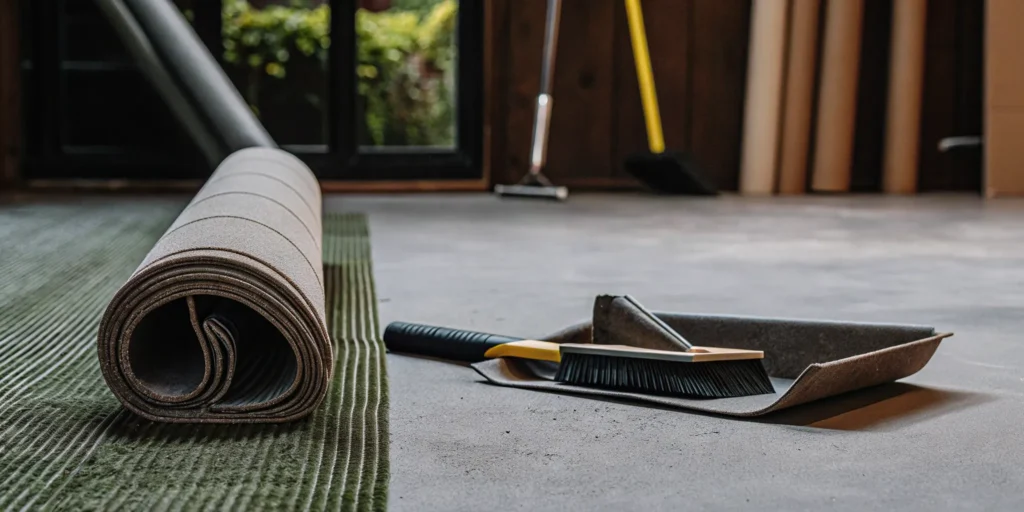
When planning a flooring upgrade, many homeowners wonder if they can save money by handling the demolition themselves. Tearing out old carpet or tile seems straightforward, but it’s often a bigger job than it appears and can lead to costly mistakes if done incorrectly. Before you grab a pry bar, it’s important to understand the full scope of the work. An average cost of flooring removal and installation calculator can help you compare material costs against a full-service quote, but it doesn’t show the value of professional expertise. Here, we’ll explore the real costs involved, helping you decide where your time and money are best spent for a flawless result.
Key Takeaways
- Your project’s total investment includes more than just the flooring material: It also covers labor for removal and installation, subfloor preparation, and finishing details like trim.
- Insist on a detailed quote: A clear, itemized estimate is the mark of a professional and gives you a complete financial roadmap before any work starts.
- Partner with a professional for the entire job: Bundling removal and installation with one expert team prevents common mistakes, protects your subfloor, and ensures a beautiful, long-lasting result.
What Factors Influence Your Flooring Project’s Cost?
When you’re planning a flooring update, understanding the final number on your quote can feel like a mystery. The total investment isn’t just about the material you see on the surface. Several key factors come together to shape your project’s budget. From the square footage of your living room to the hidden condition of your subfloor, each element plays a role. Let’s walk through the main components so you can feel confident about where your money is going.
The Flooring Material You Choose
The type of flooring you select is one of the biggest drivers of your project’s total expense. Materials vary widely in how they are made, how they perform, and their overall cost. For example, durable and stylish laminate flooring is often a more budget-conscious choice than solid hardwood. In the Dallas-Fort Worth area, you’ll find options like luxury vinyl plank (LVP) generally fall between $3 and $8 per square foot for the material alone. Your final selection should balance your home’s aesthetic, your family’s lifestyle, and your overall budget. A good installer can help you find the perfect fit without compromising on quality.
Your Room’s Size and Layout
It makes sense that the bigger the space, the more your project will cost. A larger room requires more material and more time to install, which directly impacts your bottom line. But it’s not just about simple square footage. The layout of your room also matters. A perfectly square room is more straightforward to handle than one with multiple angles, closets, or a curved wall. These complex layouts require more precise cuts and detailed work from the installation team, which can add to the labor component of your quote. A typical midrange flooring installation in Dallas reflects these variables.
The Condition of Your Subfloor
What’s underneath your floor is just as important as the surface you walk on. The subfloor is the foundation for your new flooring, and it needs to be clean, level, and structurally sound. If your existing subfloor has issues like water damage, cracks, or uneven spots, they must be addressed before any new material can be installed. Ignoring these problems can lead to squeaky, unstable, or damaged floors down the road. Repairing or replacing a subfloor can add to your project’s total, but it’s a critical step to protect your investment and avoid common flooring mistakes.
Labor in the Dallas-Fort Worth Area
Installation is where skill and craftsmanship make all the difference. The labor portion of your quote covers the hands-on work of removing your old flooring, preparing the subfloor, installing the new material, and cleaning up the space. In the Dallas-Fort Worth area, professional installation can range from $1.50 to $8 per square foot, depending on the material and project complexity. When you hire an experienced team, you’re not just paying for physical work; you’re investing in expertise. Our skilled installers ensure every plank is placed correctly for a beautiful, durable result that lasts for years.
What’s the Typical Cost Per Square Foot?
Let’s talk numbers. While every project is unique, understanding the typical investment per square foot can help you set a realistic budget. These figures are a great starting point, but remember that the final amount depends on your material choice, home layout, and subfloor condition. Think of these as ballpark estimates to help you plan.
The total expense for a flooring project includes more than just the new material. It covers tearing out the old floors, preparing the surface, installing the new product, and finishing touches. To give you a clearer picture, we can break down the common expenses you’ll see in a quote. This helps you understand where your money is going and why one project might have a different total than another, even if the square footage is similar.
Removal Averages by Flooring Type
Before the new floors go in, the old ones have to come out. The work involved in this first step can vary quite a bit. Removing old, tacked-down carpet is a different job than chipping away at glued-down hardwood or tile. On average, the labor for floor removal can run from $1.50 to $2.50 per square foot. This figure usually includes the labor, tools, and initial cleanup required to get your space ready for the next phase.
Installation Averages by Material
Once the old floor is gone, it’s time for installation. The installation rate is heavily influenced by the type of flooring you’ve chosen. For example, installing a floating luxury vinyl plank (LVP) floor is generally faster and less complex than a nail-down solid wood floor. National averages for flooring installation can range anywhere from $2 to over $20 per square foot, which shows just how much the material choice matters. Simpler installations like laminate and LVP fall on the lower end of that spectrum, while custom or complex jobs sit at the higher end.
Bundled Removal and Installation
For most homeowners, it makes sense to have the same team handle both the removal and installation. Bundling these services is not only more convenient, but it also ensures a smooth transition between the two stages. When you combine both tasks, the total project amount often lands somewhere between $6 and $13 per square foot. This combined figure gives you a more complete view of the investment required to take your room from old to new, covering the entire workflow from start to finish.
Typical Ranges in the DFW Area
Here in the Dallas-Fort Worth area, local market rates give us a more specific window. For a standard flooring replacement, you can generally expect the total project to fall between $10 and $13 per square foot. This range typically covers labor for both removal and installation, along with basic materials needed for the job. Of course, this can shift based on your specific needs. The best way to get an accurate number for your home is to schedule a free in-home estimate, where we can assess your space and discuss your goals.
How to Calculate Your Total Project Cost
Figuring out the budget for your new floors doesn’t have to be a mystery. While a professional in-home estimate is the only way to get a firm number, you can create a solid ballpark figure on your own. By taking a few simple measurements and understanding the key variables, you can walk into your project with confidence and a clear financial picture. Let’s break down how to put the numbers together for your Dallas-Fort Worth home.
What You’ll Need to Measure
The first and most important factor in your project’s total cost is the size of the space. You’ll need to find the square footage of each room getting new floors. For square or rectangular rooms, just grab a tape measure and multiply the room’s length by its width. For example, a 10-foot by 12-foot room is 120 square feet.
Don’t forget to measure closets, nooks, and hallways, too. If you have irregularly shaped rooms or complex layouts with angles and curves, do your best to break them into smaller rectangles and add them up. This measurement is the foundation of your estimate, as both materials and labor are calculated based on the total area.
A Simple Step-by-Step Calculation
Once you have your square footage, you can create a basic estimate. The general formula looks something like this: (Your Square Footage x Material Cost Per Square Foot) + Installation Labor = Your Total. While the final amount can vary, national averages suggest flooring installation can run anywhere from $2 to $20 per square foot, depending on the material and complexity.
For example, if you have a 500-square-foot space and choose a material that costs $5 per square foot to install, your initial estimate would be around $2,500 before considering other factors. This simple calculation gives you a starting point for your budget and helps you compare the relative costs of different flooring options.
Getting the Most from Online Calculators
Online flooring calculators are a great tool for getting a quick, preliminary idea of your project’s scope. You can plug in your room dimensions and a general material type to see a rough estimate. However, it’s important to remember that these tools are for learning purposes only and are not a real quote.
These calculators can’t see the unique conditions of your home. They don’t know if your subfloor needs repairs, if the layout is tricky, or what local labor rates are in the Dallas-Fort Worth area. Use them to explore possibilities, but don’t base your final budget on them. An in-person evaluation is the only way to get a truly accurate number.
Common Budgeting Mistakes to Avoid
A few common missteps can throw a budget off track. One of the biggest is forgetting about the “extra” costs. Your project total includes more than just the flooring and installation. You also need to account for underlayment, potential subfloor repairs, new baseboards or trim, and the disposal of your old flooring.
Another frequent mistake is choosing the wrong product for your lifestyle or home environment, which can lead to premature wear and replacement. Finally, many homeowners overestimate their DIY skills to save on labor, only to find that mistakes end up costing more to fix. A professional consultation can help you avoid these pitfalls from the start.
Don’t Forget These Additional Project Costs
When you budget for new floors, it’s easy to focus on the two big numbers: the material itself and the installation labor. But a successful project involves a few more steps, and these often come with their own expenses. Thinking about these additional project costs ahead of time helps you create a realistic budget with no surprises. From clearing out the old floor to adding the final piece of trim, here’s a look at the other line items you should account for.
Disposing of Your Old Floors
Before your beautiful new floors can go in, the old ones have to come out. This process involves more than just pulling up carpet or tile; it also includes hauling it away and disposing of it properly. The expense for floor removal can run from $1 to $3.50 per square foot, depending on what’s being torn out. For example, removing glued-down hardwood is more labor-intensive than pulling up floating vinyl planks. Factoring this into your plan ensures you have a clean, ready surface for the new installation and that you aren’t left with a pile of old flooring on your curb.
Prepping and Repairing the Subfloor
Your subfloor is the foundation of your new flooring, and its condition is critical for a lasting installation. Before any new material is laid, the subfloor must be clean, level, and structurally sound. Sometimes, we find issues like water damage, cracks, or uneven spots that need to be addressed first. If repairs or a full replacement are necessary, the cost for new subfloor wood can range from $1.50 to $7 per square foot. While it’s an added expense, investing in a solid subfloor prevents squeaks, gaps, and premature wear on your beautiful new floors down the road.
Underlayment and Moisture Protection
Think of underlayment as a thin, protective layer that sits between your subfloor and your new flooring. It’s a small detail that makes a big difference. Underlayment can provide cushioning for comfort, reduce noise when you walk, and act as a moisture barrier to protect materials like laminate and wood. Some flooring types come with an underlayment already attached, but for those that don’t, you’ll need to add it separately. The expense for this layer typically adds between $0.50 and $5.40 per square foot, but it’s a worthwhile investment in the performance and longevity of your floors.
Finishing Touches: Trim and Transitions
The final details are what give your new flooring a polished, complete look. This includes installing or reinstalling baseboards and adding quarter-round molding to cover the expansion gaps along the walls. You’ll also need transition strips where the new floor meets another type of flooring, like in a doorway between a carpeted bedroom and a hallway with LVP. For wood floors, a protective polyurethane finish is another key step. These finishing touches are essential for a professional result and should be included in your overall project budget to avoid any last-minute surprises.
Permits and Inspections
For most flooring replacement projects in the Dallas–Fort Worth area, you won’t need to worry about pulling permits. However, if your project involves changing the structure of your home, like removing a load-bearing wall to create an open-concept space, permits and inspections will be necessary. It’s also good to know that if you hire a general contractor for a larger renovation, their management fee can add to the total project expense. While not always required for a straightforward flooring job, being aware of potential permit or inspection fees helps you prepare for any scenario.
How to Choose a Contractor and Get the Best Value
Finding the right partner for your flooring project is just as important as picking the perfect material. A great contractor ensures the job is done right, on time, and with clear communication, giving you peace of mind and a beautiful result that lasts. But with so many options in the Dallas-Fort Worth area, how do you identify the true professionals? It comes down to asking the right questions, understanding what’s in your quote, and knowing when to call in an expert. Here’s how to find a contractor who delivers exceptional value for your investment.
How to Vet Your Contractor
Look for a contractor who specializes in flooring installation, not a general handyman who does a little bit of everything. A dedicated flooring pro will have the right tools and deep knowledge of how different materials behave in North Texas homes. While years in business can be a good sign, recent client references are even more valuable. Ask to speak with past customers or look for detailed online reviews that mention the specific type of flooring you want. A trustworthy team will be transparent about their specialized expertise and happy to prove their track record of quality work right here in the DFW community.
Understanding Your Quote
A clear, detailed quote is the hallmark of a professional contractor. Your estimate shouldn’t be just a single number; it should break down the costs for materials, labor for removal and installation, and any necessary subfloor preparation. This transparency helps you avoid surprises and understand exactly what you’re paying for. If a quote seems vague or confusing, don’t hesitate to ask for clarification. A contractor who values your business will take the time to walk you through every line item. When you’re ready, you can schedule a free in-home estimate to get a precise and comprehensive quote for your space.
The Best Time to Schedule Your Project
Many homeowners wonder if there’s a “best” season for a flooring project. While the weeks leading up to major holidays can be busy, a well-organized installation company can handle projects year-round. The most important factor is your own timeline. Instead of waiting for a slow season that may never come, focus on finding a contractor who can work with your schedule. Companies that specialize in efficient turnarounds are built to manage their workflow effectively, ensuring your project gets done quickly without sacrificing quality. The key is to start the conversation early so you can secure a spot on their calendar that works for you.
DIY vs. Professional Floor Removal
Tackling floor removal yourself can seem like a great way to save money, but it’s often much harder than it looks. Removing old, glued-down carpet, stubborn tile, or stapled hardwood can be a grueling process that requires specialized tools. More importantly, one wrong move could damage your subfloor, leading to unexpected and costly repairs that wipe out any initial savings. Hiring professionals for your flooring replacement protects your home and your timeline. They have the experience to handle the job safely and efficiently, ensuring your subfloor is clean, level, and perfectly prepped for the new installation.
The Benefit of Bundling Services
Using a single contractor for both floor removal and installation is one of the smartest ways to streamline your project. When one team handles the entire job from start to finish, you get a seamless experience with a single point of contact. This eliminates the hassle of coordinating between different crews and prevents any finger-pointing if issues arise. Bundling these installation services often results in a more efficient timeline and a cohesive workflow, as the team that removes the old floor knows exactly how to prepare the subfloor for the new one. It’s a straightforward approach that saves you time, reduces stress, and ensures a high-quality result.
Related Articles
- Cost to Install Engineered Hardwood: A Full Breakdown
- Cost of Laminate Flooring: A Complete Breakdown
- Services – Next Day Flooring
Frequently Asked Questions
Why is the final project total more than just the material expense per square foot? The flooring material is just one component of your total investment. A complete project quote also includes the skilled labor required to remove your old floors, prepare the subfloor, and install the new material correctly. It also accounts for necessary extras like underlayment, finishing trim, and the proper disposal of all the old materials, giving you a single, comprehensive figure for a finished job.
Can I lower my project’s total by removing the old flooring myself? While it might seem like a good way to save on labor, removing old flooring can be a tough job that requires specific tools and expertise. If done incorrectly, you could accidentally damage your subfloor, which can lead to much costlier repairs. Hiring a professional team ensures the removal is done efficiently and that the subfloor is perfectly prepped for a flawless installation.
Are there any other expenses I should budget for besides the flooring and installation? Yes, it’s smart to plan for a few other potential items. Your project may require subfloor repairs if any damage is discovered after the old flooring is removed. You should also consider the finishing touches, such as new baseboards or transition strips, which give the project a polished look. These details are essential for a professional result and should be part of your overall budget.
How much does the condition of my subfloor really matter? The subfloor is the foundation for your new flooring, so its condition is critical. An uneven, damaged, or unstable subfloor can cause your new floors to feel bouncy, develop gaps, or wear out much faster than they should. Addressing any subfloor issues before installation is a crucial step that protects your investment and ensures your new floors look and perform their best for years to come.
What should I look for in a quote from a flooring contractor? A trustworthy contractor will provide a clear, itemized quote, not just a single lump sum. Look for a breakdown that separates the material, the labor for removal, the labor for installation, and any other anticipated expenses like subfloor prep or new trim. This transparency shows you exactly what you are paying for and helps you avoid any surprises down the road.