
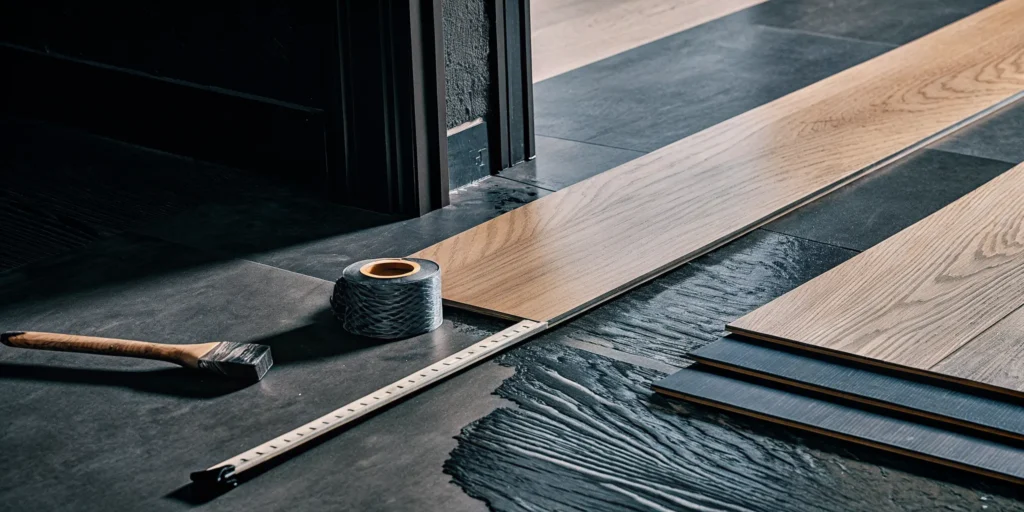
Everyone loves the timeless look of hardwood, but the reality of scratches, water damage, and upkeep isn’t practical for many busy Dallas–Fort Worth households. That’s why wood-look vinyl has become such a popular choice; it delivers that classic style with incredible durability. If you’re considering taking on the project yourself, you should know that the secret to a long-lasting floor isn’t just in the planks themselves, but in the preparation. This guide focuses on the professional techniques for installing wood look vinyl flooring, ensuring your foundation is perfect so your new floors look beautiful and perform flawlessly for years to come.
Key Takeaways
- A flawless floor starts with a solid foundation: Before you begin, make sure your subfloor is perfectly clean, level, and dry. Skipping this step is the most common cause of future flooring problems like shifting or creaking.
- Give your floor room to breathe: Vinyl planks expand and contract with temperature shifts, so leaving a quarter-inch gap around the room’s perimeter is essential. This prevents the floor from buckling and is completely covered by your trim for a clean finish.
- Stagger seams for an authentic wood look: Avoid lining up your plank seams, which creates an artificial pattern. For a truly professional result, stagger them randomly and undercut door jambs so planks slide underneath for a seamless finish.
Why Choose Wood-Look Vinyl Flooring?
Everyone loves the classic, warm look of hardwood floors, but they aren’t always the most practical choice for a busy household. Between spills, scratches from pets, and the Texas humidity, real wood requires a lot of upkeep. This is where wood-look vinyl flooring comes in. It gives you that beautiful, high-end aesthetic without the constant worry. You get stunning style and everyday durability, making it a smart choice for homeowners across the Dallas–Fort Worth area.
The Look of Hardwood Without the Hassle
Wood-look vinyl flooring is designed to stand up to real life. One of its biggest advantages is its superior water resistance. Unlike hardwood, which can warp and stain when exposed to moisture, vinyl can handle spills in the kitchen or splashes in the bathroom with ease. This makes it an excellent option for families with kids and pets. Plus, it’s incredibly durable and scratch-resistant, so you don’t have to stress about daily wear and tear. With modern luxury vinyl plank (LVP), you get the authentic appearance of wood in a much more resilient package.
A Quick Guide to Vinyl Types
When you hear “wood-look vinyl,” we’re usually talking about Luxury Vinyl Plank (LVP). This type of flooring comes in long planks, just like real hardwood, and features realistic textures and grain patterns that mimic everything from oak to hickory. Each plank is made of multiple layers, including a tough top layer called the wear layer that protects against scuffs and scratches. The thicker the wear layer, the more durable the floor. LVP is just one of several flooring solutions we install, but it offers an incredible range of colors and styles, so you can find the perfect match for your home’s decor.
Gather Your Tools and Materials
A smooth flooring installation starts long before you lay the first plank. Taking the time to gather everything you need upfront saves you from making frantic trips to the hardware store mid-project. Think of it as setting the stage for a successful performance. When you have the right tools and materials on hand, the entire process feels less like a chore and more like a satisfying home transformation.
Getting organized also helps you anticipate any challenges. As you review your lists, you might realize you’re not comfortable using an undercut saw or that your subfloor needs more prep work than you thought. That’s perfectly okay. Knowing what the job requires helps you decide whether to tackle it yourself or call in a professional. If you’re in the Dallas–Fort Worth area and want an expert to handle the details, our team can install your wood-look vinyl flooring quickly and correctly.
The Essential Tool Checklist
You don’t need a workshop full of equipment, but a few key tools are non-negotiable for getting clean, professional-looking results. Before you start, make sure you have these items ready to go:
- Pry Bar: Essential for gently removing baseboards and trim without damaging your walls.
- Undercut Saw or Oscillating Multi-Tool: This is the secret to a flawless finish around doorways. It lets you trim the bottom of the door jamb so your plank can slide right underneath.
- Tapping Block and Rubber Mallet: Use these to gently tap planks into place, ensuring tight seams without damaging the locking mechanisms.
- Utility Knife: A sharp knife is perfect for scoring and snapping planks to size for straight cuts.
- Measuring Tape, Pencil, and a Square: The classic trio for accurate measurements and straight lines.
Your Project Supply List
With your tools gathered, it’s time to check your materials. Running out of planks is a common DIY mistake, so careful planning here is key. Here’s what you’ll need to have on site:
- Vinyl Plank Flooring: Measure your room’s square footage and add 10% to 15% extra. This accounts for cutting mistakes and gives you spare planks for any future repairs.
- Underlayment: Many modern luxury vinyl plank (LVP) products come with an attached underlayment. If yours doesn’t, you’ll need a separate roll to help with sound absorption and comfort.
- Baseboards and Molding: You’ll need new trim to cover the expansion gaps along the walls and give your new floor a polished, finished look.
- Transition Strips: These are necessary for creating a smooth transition in doorways or where your new vinyl meets another flooring type, like carpet or tile.
How to Prep Your Subfloor Like a Pro
A beautiful vinyl floor is only as good as the surface it’s installed on. Proper subfloor preparation is the single most important step for a long-lasting, professional-looking result, and it’s where many DIY projects go wrong. Taking the time to get this right prevents issues like shifting planks, hollow sounds, and uneven surfaces down the road. Before you lay the first plank, focus on creating a clean, flat, and stable foundation. This ensures your new luxury vinyl plank flooring performs exactly as it should for years to come.
Start with a Clean, Level Surface
First things first: your subfloor must be completely clean, flat, and dry. Any debris, dust, or grime left behind can interfere with the installation. Start by thoroughly sweeping and vacuuming the entire area, paying close attention to corners. Once it’s clean, check for flatness. Use a long, straight level to identify any high or low spots. High spots should be sanded down, while low spots can be filled with a self-leveling compound. Bumps, dips, or moisture can make your new floor shift or warp, so getting this step right is critical for a stable, quiet floor.
Test for Moisture and Acclimate Your Flooring
Vinyl flooring needs to get used to its new environment before installation. Let the unopened boxes of planks sit in the room where they will be installed for at least 24 to 48 hours. This simple step allows the material to acclimate to your home’s specific temperature and humidity, which prevents the planks from buckling or gapping after they’re installed. While you wait, it’s a good idea to test your subfloor for moisture, especially on a concrete slab foundation common in the Dallas–Fort Worth area. A simple moisture test kit can save you from major headaches.
Remove Baseboards and Undercut Door Jambs
For a truly professional finish, always remove the baseboards before you begin. Trying to install flooring up to the existing trim often leaves an awkward, uneven gap. Use a trim puller tool to gently pry the baseboards away from the wall so you can reuse them later. Next, you’ll need to undercut your door jambs. The easiest way is with an oscillating multi-tool. Place a scrap piece of your new flooring on the subfloor next to the door frame and use it as a guide to cut the bottom of the trim. This allows the new vinyl planks to slide neatly underneath for a seamless look.
Your Step-by-Step Installation Guide
Alright, with your subfloor prepped and your materials ready, it’s time for the most rewarding part: laying the planks. This is where your room starts to transform. The key to a professional-looking finish is patience and precision, especially in the first few rows. Taking your time here will pay off across the entire floor. While it might seem complex, modern luxury vinyl plank flooring is designed to be installer-friendly. Follow these steps, and you’ll create a beautiful, durable surface that looks like it was installed by a pro.
Plan Your Layout
Before you click a single plank into place, decide which direction they should run. A good rule of thumb is to lay the planks parallel to the longest wall, which can make the room feel more spacious. Another popular approach is to run them in the same direction as the main light source, like a large window. To be sure, lay out a few rows without locking them together to see what you prefer. This dry run helps you visualize the final look and plan your cuts for the last row, ensuring you don’t end up with a tiny, awkward sliver of a plank against the far wall.
Install the First Rows
Your first row is the foundation for the entire floor, so it needs to be perfectly straight. Always begin with the tongue side of the plank facing away from the wall and into the room. Remember to use your spacers to maintain that crucial expansion gap along the wall. It’s a great idea to install at least three full rows and lock them together before you get too far. This creates a stable, heavy base that is less likely to shift. Take a step back and check that your lines are straight before moving on. A crooked start will only become more obvious as you work your way across the room.
Connect and Lock Your Planks
Most vinyl planks use a tongue-and-groove system that clicks together. To connect them, hold the new plank at a slight angle, line up the tongue and groove, and push it down and forward until it locks into place. You should feel a solid click. To ensure the tightest possible seam, gently tap the joint with a rubber mallet and a tapping block. Never hit the plank directly with a hammer. A great pro tip is to use a scrap piece of flooring as your tapping block, since its groove will fit perfectly over the new plank’s tongue without causing damage.
Cut Planks to Fit Tricky Spots
Eventually, you’ll run into a door frame, a vent, or an awkward corner. This is where careful measuring and cutting come in. For complex shapes, you can make a template out of cardboard or use a contour gauge to trace the outline onto the plank. A simple dry-erase marker works well for marking your cut lines directly on the plank’s surface. When fitting flooring under a door jamb, you may need to use a handsaw or multi-tool to undercut the trim. This allows the plank to slide neatly underneath for a clean, seamless finish. If this part feels intimidating, remember that our team handles tricky cuts every day; feel free to contact us for a free estimate.
Common DIY Mistakes to Avoid
Even the most straightforward flooring project can go wrong if you miss a few key details. While installing vinyl plank flooring is often pitched as a simple weekend project, a few common mistakes can lead to a floor that looks unprofessional or fails prematurely. Getting these details right is what separates a DIY-looking job from a flawless, long-lasting installation. Let’s walk through the most frequent missteps so you can avoid them.
Skipping Subfloor Prep
Think of your subfloor as the foundation for your new flooring. If it isn’t perfectly clean, flat, and dry, any imperfections will eventually show through. Small bumps, leftover adhesive, or even a bit of grit can create high spots that cause planks to shift, creak, or separate over time. Moisture is an even bigger enemy, as it can lead to warping and damage. Taking the time to thoroughly sweep, vacuum, and level your subfloor is the single most important step for a successful installation. A properly prepared surface ensures your new luxury vinyl plank flooring will look great and perform well for years.
Forgetting the Expansion Gap
Vinyl flooring, like many materials in your home, expands and contracts slightly with temperature changes. It needs a little room to breathe. A common DIY mistake is installing the planks flush against the walls and other fixed objects like kitchen islands or cabinets. Without this space, the floor can buckle or warp when it expands. To prevent this, always leave a ¼-inch expansion gap around the entire perimeter of the room. Don’t worry, this gap won’t be visible. Once you reinstall your baseboards and trim, it will be completely covered, leaving you with a beautiful, stable floor that can adapt to your home’s environment.
Forcing Planks That Don’t Fit
Modern vinyl planks are designed with a click-lock system that should fit together smoothly. If you find yourself having to use a lot of force to get two planks to connect, something is wrong. Forcing them can damage the delicate locking mechanism on the edges, resulting in a weak connection that might create gaps or raised edges later. If a plank isn’t locking into place easily, take a moment to pull it out. Check for any debris in the groove and make sure the plank is angled correctly before trying again. A gentle tap with a rubber mallet is sometimes needed, but you should never have to hammer it into submission.
Creating Unnatural Seam Patterns
When you’re laying out your planks, it’s tempting to fall into a repetitive pattern, but this can ruin the natural wood look you’re going for. Avoid lining up the seams of your planks in neat rows, which creates an obvious and artificial “H-pattern.” For a stronger and more authentic-looking floor, you need to stagger the seams randomly. As a general rule, make sure the seams in adjacent rows are at least six inches apart. This not only looks better but also increases the structural integrity of the entire floor. This attention to detail is a hallmark of professional craftsmanship and makes a huge difference in the final result.
Pro Tips for a Flawless Finish
The difference between a good DIY flooring job and a great one often comes down to a few professional techniques. These small details ensure your floor not only looks fantastic but also performs well for years to come. Paying attention to how the planks connect, giving the floor room to breathe, and creating a natural pattern are the secrets to achieving that polished, expert-installed look.
These tips are simple to follow and will help you avoid common pitfalls that can take away from your hard work. Think of them as the finishing touches that tie the whole project together.
Get Seamless Connections with a Tapping Block
You want your vinyl planks to fit together snugly, but hammering them directly can damage the delicate locking mechanisms. The solution is a tapping block. You don’t need a special tool; you can make one from a scrap piece of your luxury vinyl plank flooring. Just make sure it has the tongue-and-groove edge intact.
Place the block against the edge of the plank you’re installing and gently tap the block with a rubber mallet or hammer. This distributes the force evenly, closing any gaps and creating a tight, seamless connection without risking chips or cracks. It’s a simple trick that protects your investment and gives you those invisible seams you see in professional installations.
Maintain a Consistent Expansion Gap
It might feel wrong to leave a gap between your new floor and the wall, but this step is critical. Vinyl flooring, like many materials, expands and contracts slightly with temperature changes in your home. Leaving a ¼-inch expansion gap around the entire perimeter of the room gives the floor the space it needs to move without buckling or warping over time.
This rule also applies to any fixed objects, like kitchen islands, pipes, or support columns. Use spacers to keep the gap consistent as you work. Don’t worry about how it looks; this gap will be completely hidden once you reinstall your baseboards and trim, leaving you with a beautiful and durable finish.
Stagger Your Planks for a Natural Look
To get a convincing wood-look floor, you need to avoid creating predictable patterns with your seams. If the joints line up or repeat in a noticeable way (like a checkerboard), it immediately signals that the floor isn’t real wood. The key is to stagger the planks randomly to mimic the natural variation of a hardwood floor.
Instead of starting every other row with a half-plank, mix up the lengths of your starter pieces. A good rule of thumb is to make sure the seams in adjacent rows are at least six inches apart. By varying the starting points, you create a more organic and visually appealing layout that makes your new vinyl flooring look authentic and professionally installed.
How to Handle Tricky Spots and Transitions
Even the most straightforward flooring project has its challenges. Doorways, corners, and large open spaces require special attention to detail to get that clean, professional look. Getting these areas right is what separates a good DIY job from a great one that lasts for years. It’s all about making precise cuts, planning for natural movement, and giving your materials time to adjust. These are the steps our installation team never skips, and you shouldn’t either.
Fitting Planks Around Fixtures and Corners
When you reach a door frame or cabinet, you’ll need to cut planks to fit perfectly around them. For an accurate cut, use a dry erase marker to trace the shape directly onto the plank; it lets you wipe away mistakes. For an even cleaner finish around door frames, the best method is to undercut the jamb with a saw. This allows you to slide the flooring directly underneath the frame instead of cutting around it. It creates a seamless, built-in look that hides the cut edge and avoids the need for extra trim in that spot.
Installing Transition Strips
Transition strips create a smooth flow between rooms and are critical in large, open-concept spaces. If your vinyl flooring installation runs continuously for a long distance, like 80 feet or more, you must install a T-molding transition. This creates a small, intentional gap that allows the flooring to expand and contract independently. Without this break, a large floating floor can buckle as temperatures change, which is a real concern in the Dallas-Fort Worth area. Transitions ensure your floor has the room it needs to move without causing problems.
A Note on Temperature and Humidity
Before you lay the first plank, your flooring needs to acclimate to its new environment. This is a vital step. Let the unopened boxes of vinyl planks sit flat in the room where they will be installed for at least 24 to 48 hours. This allows the material to adjust to your home’s specific temperature and humidity levels. Skipping this is a common mistake that leads to buckling or gapping later on. Once the planks are stable, they will lock together properly and stay flat for the long haul. This simple waiting period protects your investment.
Add the Finishing Touches
You’ve laid the last plank, and the finish line is in sight. Now it’s time for the details that transform your project from a collection of planks into a beautiful, cohesive floor. These final steps are what separate a good DIY job from a great one. Taking the time to reinstall trim correctly, inspect your work, and clean up properly ensures your new floor looks polished and professional for years to come. It’s the part of the process where all your hard work really pays off.
Reinstall Baseboards and Molding
With your new floor in place, it’s time to reinstall the baseboards and any other molding you removed. Carefully nail them back into the wall, making sure not to damage the surface of your new vinyl planks. For a truly professional look around doorways, the best practice is to undercut the door jambs before you start. This allows the luxury vinyl plank flooring to slide neatly underneath the trim instead of leaving an awkward gap. If you didn’t do this earlier, you can still carefully trim the bottoms with a multi-tool for a seamless fit. This small detail makes a huge difference in the final appearance.
Give It a Final Inspection
Before you move furniture back in, take a moment to give your new floor a thorough inspection. Walk the entire room and look for any gaps or raised edges between planks. A common mistake is forcing planks that don’t quite fit, so double-check that each one is firmly clicked into place. If you spot a plank that isn’t locking correctly, it’s better to take it out and try again. You can also check that your rows are perfectly straight, which is especially important in long hallways. This attention to detail is what ensures your floor is not just beautiful but also structurally sound and ready for daily life. It’s a key part of any professional flooring installation.
Clean Up and Admire Your Work
The last step is cleaning up the space so you can truly appreciate your new floor. A good cleanup starts with vacuuming up all the dust and small debris from the installation process. A helpful tip for future projects is to keep your cutting tools on the finished side of the room to minimize how much you have to clean as you go. Once everything is swept and vacuumed, give the floor a light cleaning according to the manufacturer’s instructions. Then, step back and admire your work. You’ve successfully transformed your space! If you ran into any trouble or decided DIY isn’t for you, our team is always here to help with your next project.
Related Articles
- Your Guide to Waterproof Vinyl Flooring Installation
- Luxury Vinyl Plank Installation: A Step-by-Step Guide
- The Complete Engineered Hardwood Installation Guide
Frequently Asked Questions
How much extra vinyl flooring do I really need to buy? A good rule of thumb is to purchase about 10% more flooring than your room’s actual square footage. This extra material, often called an overage, accounts for any cutting mistakes you might make and ensures you have enough planks to complete the job without a last-minute trip to the store. It also leaves you with a few spare planks for any future repairs, which is always a smart move.
Why is leaving an expansion gap so important? Vinyl flooring naturally expands and contracts with the temperature and humidity shifts we see here in the Dallas–Fort Worth area. That small quarter-inch gap you leave around the room’s perimeter gives the floor space to move. Without it, the planks can press against the walls and each other, causing them to buckle or warp over time. The gap is completely hidden by your baseboards, so you get a stable, long-lasting floor.
Can I install new vinyl planks directly over my old flooring? It depends on what type of flooring you have now. You can sometimes install vinyl over a single layer of old, well-adhered vinyl or certain types of tile, as long as the surface is perfectly flat and smooth. However, you should never install it over carpet, floating floors, or damaged surfaces. For the best results, we almost always recommend removing the old flooring to properly prepare the subfloor.
What’s the most difficult part of installing vinyl flooring myself? For most people, the trickiest parts are the prep work and the detail work. Getting the subfloor perfectly clean and level is critical and takes patience. The other challenge is making precise cuts around door frames, vents, and other obstacles. Undercutting a door jamb correctly with a saw can be intimidating, but it’s what creates that seamless, professional finish.
How should I care for my new wood-look vinyl floor? One of the best things about vinyl is how easy it is to maintain. Regular sweeping or vacuuming (using a hard floor setting) is usually all you need to handle dust and debris. For deeper cleaning, a damp mop with a pH-neutral floor cleaner works perfectly. Just avoid using harsh chemicals, wax, or steam cleaners, as they can damage the protective wear layer.