
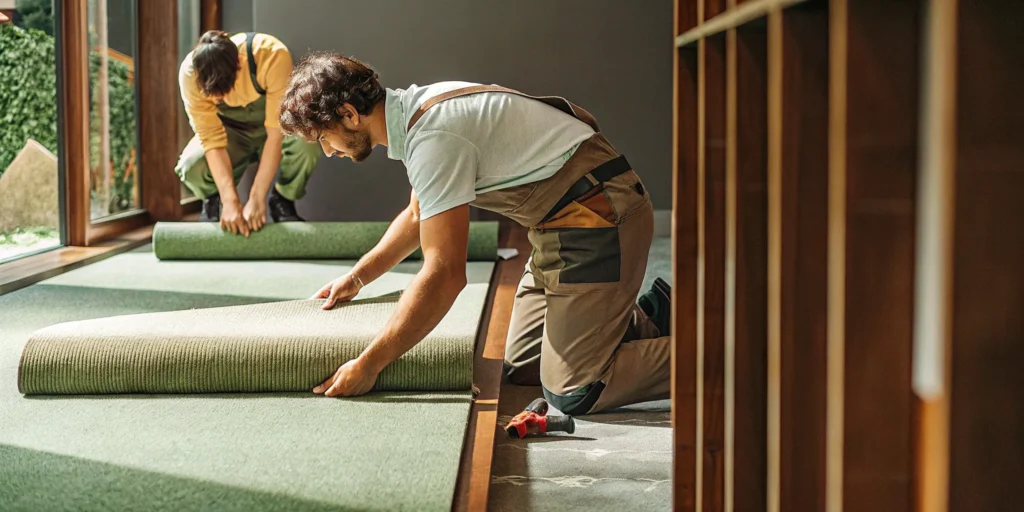
The most important parts of a great carpet installation are the ones you’ll never see. While you’ll notice the perfect color and soft feel underfoot, the real quality lies in the details beneath the surface. It’s in the properly prepared subfloor, the high-quality padding, and the expertly stretched material that prevents future wrinkles. These are the technical skills that separate a quick fix from a long-term flooring solution. True professional carpet installers are masters of these unseen details, ensuring your floor is not only beautiful on day one but also durable for years to come. This guide will show you what defines a quality installation so you can hire with confidence.
Key Takeaways
- Look for Proof, Not Just a Price: The best installers stand on their reputation. Before hiring, verify their license and insurance, read recent customer reviews, and ask about their labor warranty to ensure you’re choosing a qualified professional who stands behind their work.
- A Pro Installation is a Full-Service Project: A quality installation goes far beyond laying carpet. Professionals handle everything from removing old flooring and prepping the subfloor to the final cleanup, which is crucial for a durable, flawless finish that DIY projects often miss.
- Compare Itemized Quotes to Make a Confident Choice: Getting at least three detailed estimates is essential. This allows you to compare not just the final cost but the specific services included, helping you spot red flags and choose a transparent partner who offers the best long-term value.
What Makes a Great Carpet Installer?
Choosing the right carpet installer is just as important as picking the perfect carpet. A beautiful, high-quality carpet can be ruined by a poor installation, leading to wrinkles, visible seams, and a shorter lifespan. A great installer, on the other hand, ensures your new floor looks flawless and performs well for years to come. They have the right tools, a deep understanding of how different materials behave, and the precision to handle tricky layouts. So, what separates the pros from the rest? It comes down to a few key qualities that you can look for before you hire.
Experience and Credentials
An installer’s experience is your best indicator of quality. Look for professionals with a proven track record and several years in the business. Seasoned installers have seen it all—uneven subfloors, complex room shapes, and challenging transitions to other flooring types. This expertise means they can anticipate problems and solve them correctly, ensuring a smooth, durable finish. Don’t be afraid to ask about their background or if they have any certifications. While not always required, credentials from organizations like the Certified Flooring Installers Association (CFI) show a commitment to industry standards and ongoing education. True professionals are proud of their history and happy to share it.
Licensing and Insurance
This is non-negotiable. Before you let any contractor work in your home, confirm they are properly licensed and insured. Licensing requirements vary by location, but insurance is a must-have everywhere. A reputable installer will carry both general liability insurance and workers’ compensation. This protects you from any financial responsibility if an accident happens on your property, whether it’s damage to your home or an injury to a crew member. Asking for proof of insurance isn’t rude; it’s a smart and necessary step to protect your investment and give you peace of mind throughout the project.
Customer Reviews and Past Work
What past clients say is one of the most reliable ways to gauge an installer’s quality and professionalism. Look for recent reviews on trusted sites and pay attention to the details. Do customers mention the installer’s punctuality, communication, and cleanliness? Did they do a good job of explaining the process? A great installer should also have a portfolio of their work. Ask to see photos of completed projects, especially ones similar to yours. This gives you a clear idea of their craftsmanship and helps you visualize how your own floors will look.
Warranties and Guarantees
A confident installer will always stand behind their work. Be sure to ask about any warranties or guarantees they offer on their labor. This is separate from the manufacturer’s warranty, which covers defects in the carpet itself. An installation warranty covers the quality of the workmanship. If seams start to show or the carpet begins to stretch and wrinkle prematurely, a labor guarantee ensures the installer will come back and fix it. This commitment shows they value their reputation and are dedicated to delivering a high-quality result that lasts.
What Services Do Installers Offer?
When you hire a professional carpet installer, you’re getting more than just someone to lay down your new flooring. A great installer offers a complete, end-to-end service that takes the entire project off your plate. From the initial tear-out to the final vacuum, they handle the details so you don’t have to. This is especially important because what’s underneath your carpet is just as critical as the carpet itself.
A full-service installation team manages every step, ensuring a smooth process and a durable, beautiful result. They have the right tools, the right experience, and the efficiency that comes from doing this work every single day. Instead of you coordinating multiple contractors or spending a weekend wrestling with old carpet and a new roll, a professional team handles it all. This comprehensive approach is what separates a quick-fix from a long-term flooring investment. Before you hire, make sure you understand the full scope of services an installer offers to ensure there are no surprises.
Residential vs. Commercial Projects
While both involve putting carpet on a floor, residential and commercial installations are two different worlds. Residential projects, like the one you’re planning for your home, focus on comfort, appearance, and creating a cozy living space. Commercial jobs, on the other hand, are all about durability and withstanding heavy foot traffic in places like offices or retail stores. The materials, adhesives, and installation techniques vary significantly between the two. The Carpet and Rug Institute even has separate installation standards for each. For your home, you want an installer who specializes in residential projects and understands how to deliver a finish that feels and looks great for years to come.
Old Carpet Removal and Disposal
Let’s be honest: tearing out old carpet is a dusty, back-breaking job. Most professional installers offer removal and disposal as part of their service, and it’s an option worth taking. A pro team can remove your old carpet, padding, and tack strips quickly and efficiently without damaging your baseboards or walls. They also know how to properly dispose of the old materials, saving you a trip to the dump. Hiring a professional for removal not only saves you time and a major mess but also ensures the subfloor is properly prepped for what comes next.
Subfloor Prep and Repairs
What lies beneath your carpet is the foundation for your entire floor. After the old carpet is gone, a good installer will thoroughly inspect your subfloor for any issues. This includes looking for water damage, loose panels, uneven spots, or squeaks that need to be addressed. Ignoring these problems can lead to a lumpy, noisy, or prematurely worn-out carpet. Professional installers can handle most minor subfloor repairs on the spot, ensuring your new carpet has a smooth, solid, and stable base. This crucial step is one of the biggest reasons to hire an expert.
Specialty Installations
Not all carpet jobs are a simple square room. Installing carpet on stairs, creating seamless transitions to other flooring types, or working with patterned carpets requires a high level of skill and precision. These specialty installations demand specific techniques and specialized tools to get the job done right. An experienced installer knows how to properly stretch carpet on stairs for safety and longevity, match patterns perfectly across seams, and handle delicate materials like wool. If your project involves anything beyond a basic room, it’s essential to hire an installer with proven experience in that type of work.
How Much Should Carpet Installation Cost?
Let’s talk numbers. When you’re budgeting for new carpet, the installation cost is a major piece of the puzzle. While every project is unique, you can generally expect the labor for installation and removal of old carpet to fall somewhere between $1 and $5 per square foot. For an average-sized room, this often translates to a total cost of a few hundred to over a thousand dollars.
Of course, this is just a ballpark figure. The final price tag depends on the specifics of your home and the scope of the work. A straightforward job in a small, empty square room will cost less than a complex installation in a large, furnished space with tricky angles. The key is to understand what factors contribute to the cost so you can get a clear, accurate estimate that fits your budget without any last-minute surprises. A professional installer will walk you through every line item, ensuring you know exactly where your money is going.
What Determines the Final Price?
The quote you receive from an installer isn’t just an arbitrary number. It’s a calculation based on several key factors specific to your project. First, the size and shape of the room play a big role; larger rooms or those with unusual layouts require more material and labor. The type of carpet you choose also matters, as some materials are more challenging to work with. Don’t forget about the prep work—if your old carpet needs to be torn out and hauled away, that will be part of the cost. And if your subfloor has any damage that needs fixing, that has to be addressed before new flooring can go down. Finally, moving heavy furniture is a service most installers offer, but it will add to the final bill.
How to Get an Accurate Quote
To feel confident in your decision, you need a clear and detailed quote. The best way to start is by getting estimates from at least three reputable installers. This lets you compare not just the price, but the scope of services and the professionalism of each company. When you receive a quote, make sure it’s itemized. It should clearly break down the costs for materials, labor, carpet removal, furniture moving, and any necessary subfloor repairs. This transparency is a hallmark of a trustworthy professional and helps you avoid hidden fees. An in-home estimate is the only way to get a truly accurate number, as it allows the installer to see the space firsthand.
Understanding Payment and Financing
Once you have a quote you’re happy with, the final step is figuring out payment. Most professional flooring companies will require a deposit to secure your materials and schedule the installation, with the final balance due upon completion. If you’d prefer to pay over time, ask about financing options. Many installers partner with lenders to offer convenient monthly payment plans, making it easier to invest in high-quality flooring without paying the full amount upfront. Some companies may also offer a low price guarantee, promising to match a competitor’s price for the same product and service. Be sure to ask about all your payment options when you get your estimate.
Should You DIY or Hire a Pro?
The allure of a DIY project is strong. It feels empowering to tackle a home improvement task yourself, and it seems like a great way to save money. But when it comes to installing carpet, what starts as a weekend project can quickly turn into a frustrating, time-consuming ordeal with less-than-perfect results. Before you start pulling up your old floors, it’s worth taking a serious look at whether going the DIY route is the right call.
Carpet installation is a skilled trade that requires precision, specialized tools, and a lot of physical effort. While you might save some money on labor costs upfront, a botched installation can lead to wrinkles, visible seams, and a carpet that wears out years before it should. Hiring a professional installer isn’t just paying for labor; it’s an investment in getting the job done right the first time. For most homeowners, especially those with busy schedules, the peace of mind and guaranteed quality that come with a professional installation are well worth the cost.
The Right Tools for the Job
Proper carpet installation requires more than just a utility knife and a can-do attitude. Professionals use a whole arsenal of specialized equipment to get that smooth, wall-to-wall finish. Key items include a power stretcher to pull the carpet taut and prevent wrinkles, a knee kicker for positioning in tight spaces, and a seaming iron to create invisible bonds between carpet sections. Without these, you risk a lumpy, loose installation that won’t last. The truth is, having the right physical tools is non-negotiable for a correct installation, and renting or buying them for a single project often doesn’t make financial sense.
Saving Time and Hassle
Think about everything that goes into a carpet installation: moving furniture, tearing out the old flooring, prepping the subfloor, measuring and cutting the new carpet, and finally, the installation itself. What a professional crew can accomplish in a day could easily take a DIYer an entire weekend or longer. Many homeowners who attempt it themselves end up overwhelmed by the complexity and physical strain. Hiring a professional not only saves you time but also protects your home from accidental damage to the subfloor or baseboards. You get to skip the stress and just enjoy your beautiful new floors.
Ensuring Quality and Durability
The difference between a DIY and a professional carpet installation becomes obvious over time. Common DIY mistakes—like not stretching the carpet tightly enough or placing seams in high-traffic areas—can cause premature wear, ripples, and fraying. In fact, poorly installed carpet can lead to uneven surfaces and even create gaps that expose the subfloor to moisture. A professional installer understands the nuances of the job, from acclimating the carpet to your home’s environment to planning the layout for minimal waste and maximum durability. Their expertise ensures your new carpet looks great not just on day one, but for years to come.
How to Find and Compare Installers
Once you’ve found a few potential carpet installers through referrals or local searches, it’s time to dig a little deeper. Choosing the right team is just as important as choosing the right carpet. A great installation ensures your new flooring looks beautiful and lasts for years, while a poor one can lead to frustration and costly repairs down the road. The key is to have a consistent process for evaluating each company so you can make an apples-to-apples comparison.
Don’t just rely on a single quote or a flashy website. You’re looking for a partner who is experienced, transparent, and reliable. This means checking their credentials, understanding exactly what their quote includes, and knowing what warning signs to look for. Taking the time to do this homework upfront protects your investment and gives you peace of mind that your home is in good hands. Think of it as interviewing candidates for an important job—because it is. Your goal is to find a professional you can trust to bring your vision to life without cutting corners.
Your Vetting Checklist
When you start talking to installers, it’s easy to get overwhelmed by details. Using a simple checklist helps you stay focused and compare everyone on the same terms. For every company you consider, make sure you verify their experience, licensing, and insurance. Ask how long they’ve been in business and if they have a portfolio of recent projects you can see. Proper insurance is non-negotiable; it protects you in case of accidents or property damage.
Next, look for social proof. Check online reviews on sites like Google and Yelp, but also ask for references you can speak with directly. Finally, get a clear understanding of their warranties. A reputable installer will stand behind their work with a guarantee on the installation itself, separate from the manufacturer’s warranty on the carpet. Flooring experts agree that a structured approach is the best way to find a qualified pro.
Why You Need Multiple Quotes
Getting estimates from at least three different installers is a crucial step. This isn’t just about finding the cheapest price—it’s about establishing a baseline for what your project should cost and what it should include. A detailed quote should break down the costs for materials, labor, old carpet removal, subfloor preparation, and any other necessary services. When you compare costs and services side-by-side, you can spot inconsistencies and identify which company offers the most value.
This process also gives you a feel for each company’s professionalism. Did they show up on time for the estimate? Were they thorough in their measurements and assessment of your space? Did they listen to your concerns and answer your questions clearly? A lowball offer might be tempting, but it could mean the installer is cutting corners somewhere you can’t see.
Red Flags to Watch For
A great deal isn’t a great deal if it comes with a bad installation. The biggest mistake homeowners make is hiring an inexperienced or unprofessional installer to save a few dollars. A poorly installed carpet can lead to visible seams, buckling, and premature wear, ultimately costing you more in the long run. One of the first red flags is a quote that is significantly lower than all the others.
Be cautious of anyone who gives you a vague estimate, pressures you to make an immediate decision, or asks for a large cash deposit upfront. A professional installer will provide a clear, itemized quote and a reasonable payment schedule. You should also ask for proof of insurance and licensing. If a company is hesitant to provide these documents, consider it a major warning sign and move on. Avoiding common mistakes starts with trusting your gut and walking away from any installer who doesn’t seem transparent and professional.
What to Expect on Installation Day
Once you’ve chosen your carpet and hired an installer, the final step is the installation itself. Knowing what the day will look like helps everything run smoothly and takes the stress out of the process. A professional team will follow a clear, efficient workflow from the moment they arrive until the job is done. Here’s a breakdown of what you can expect when the installation crew shows up at your door.
The Pre-Installation Walkthrough
Before any tools come out, your lead installer should walk through the installation areas with you. This isn’t just a formality—it’s a crucial step to confirm every detail is correct. They’ll verify the rooms getting new carpet, double-check measurements, and assess the subfloor. This is also your best opportunity to point out anything specific, like a squeaky floorboard you’d like them to look at or the location of in-floor outlets. A thorough pre-installation check ensures everyone is on the same page and helps the team anticipate any challenges, leading to a smoother, more efficient installation without any last-minute surprises.
Your Project Timeline
The time it takes to install your new carpet depends entirely on the size and complexity of your project. A few standard bedrooms can often be completed in a single day, while a whole-house installation or a project with intricate cuts (like stairs) might take longer. Your installer will give you a clear timeline upfront. Once the carpet is laid, you’ll likely be asked to keep foot traffic to a minimum for a few hours. This allows the seams to set properly and the carpet to settle into place. A professional crew works efficiently to minimize disruption, getting you back to your routine and enjoying your new floors as quickly as possible.
Post-Installation Cleanup and Inspection
A professional installation isn’t finished until the space is clean. Your installation team will handle the cleanup, which includes removing carpet scraps, old padding, and any other debris created during the job. They should also do a final vacuum of the new carpet. Before they leave, walk through the rooms with the lead installer to inspect the work. Look for tight seams, ensure the carpet is flush against the walls, and check that transitions to other flooring are smooth. This final walkthrough is your chance to confirm everything meets your expectations and to learn about proper carpet care to keep your investment looking great for years to come.
Key Questions to Ask Before You Hire
Choosing the right installation team is just as important as picking the perfect carpet. The quality of the installation determines how your new floor will look, feel, and perform for years to come. Before you sign a contract, it’s essential to ask a few key questions to make sure you’re hiring a true professional. A great installer will welcome your questions and provide clear, confident answers. Think of this as a mini-interview to find the right partner for your home project. It’s your chance to confirm their expertise, understand their process, and set clear expectations from the start.
Installation Methods and Materials
The technical details of an installation can feel overwhelming, but you don’t need to be an expert to ask the right questions. Start by asking, “What installation method do you recommend for this carpet, and why?” Their answer will tell you if they’re considering your specific product and subfloor. You should also inquire if their team follows established installation standards, which are industry benchmarks for quality work. Finally, don’t forget about the foundation of your new floor. Ask, “What type of carpet padding do you recommend?” A professional will explain their choice based on the carpet’s warranty requirements, foot traffic, and your desired level of comfort, ensuring your investment is protected from the ground up.
Scheduling and Project Timelines
A clear and reliable schedule is a hallmark of a professional installation company. To avoid frustrating delays, ask for a complete project timeline, from furniture moving and old carpet removal to the final cleanup. A seasoned installer can give you a realistic estimate and explain the steps involved. It’s also smart to prepare for the unexpected by asking, “How do you handle unforeseen issues, like subfloor damage?” Their answer will reveal their problem-solving skills and commitment to doing the job right. Finally, confirm who your point of contact will be throughout the project. Knowing who to call with questions provides peace of mind and keeps the lines of communication open, helping you avoid common mistakes that can cause stress.
Communication and Service Standards
Great craftsmanship and great communication go hand in hand. You want an installer who respects both your home and your time. Ask them to walk you through their entire process, from the pre-installation walkthrough to the final inspection. This gives you a clear picture of what to expect on installation day. It’s also important to ask, “How will you protect my home, including my walls and baseboards, during the installation?” A careful team will have a plan to prevent scuffs and damage. Lastly, ask about their satisfaction guarantee. A simple, “What happens if I have concerns after the installation is complete?” will tell you everything you need to know about their commitment to quality and customer service, preventing the common pitfalls of a flooring project.
Related Articles
- Carpet Replacement – Next Day Flooring
- Flooring Calculator Square Feet: Measure Like a Pro – Next Day Flooring
- Services – Next Day Flooring
Frequently Asked Questions
Do I need to move all my furniture before the installers arrive? Most professional installation companies, including ours, offer furniture moving as part of their service. We can handle the heavy lifting of standard items like sofas, tables, and beds. However, we do ask that you clear away smaller, personal items like books, lamps, and electronics from the rooms. This helps the crew work efficiently and keeps your belongings safe. Be sure to confirm the details when you get your quote, as some exceptionally heavy or delicate items might require special arrangements.
What happens if you find problems with my subfloor after tearing out the old carpet? This is a great question and exactly why hiring an experienced professional is so important. It’s not uncommon to uncover issues like water damage, squeaky boards, or uneven spots once the old flooring is gone. A professional installer will stop, assess the situation, and explain the problem and your options clearly. Most minor repairs can be handled on the spot, ensuring your new carpet has the solid, stable foundation it needs to last.
How long does a typical carpet installation take? The timeline really depends on the scope of your project. A few standard-sized bedrooms can often be completed in a single day. A larger project, like an entire house or a space with complex areas like stairs, might take two days or more. When we provide your in-home estimate, we’ll also give you a clear and realistic timeline so you know exactly what to expect and can plan your schedule accordingly.
Why is a professional installation so important if I bought high-quality carpet? Think of it this way: the carpet is the ingredient, but the installation is the recipe. Even the best materials can be ruined by a poor installation, leading to wrinkles, visible seams, and a floor that wears out years too soon. A professional installer has the specialized tools and expertise to stretch the carpet correctly, place seams strategically, and ensure the final result is durable and flawless. Your investment in good carpet deserves an installation that protects it.
Is your installation work guaranteed? Absolutely. A reputable installer will always stand behind their craftsmanship. This is separate from the manufacturer’s warranty, which covers defects in the carpet itself. An installation warranty covers the quality of the labor. If you notice issues like seams coming apart or the carpet buckling prematurely, our guarantee means we will come back and make it right. It’s our commitment to ensuring you get a beautiful, long-lasting floor.