
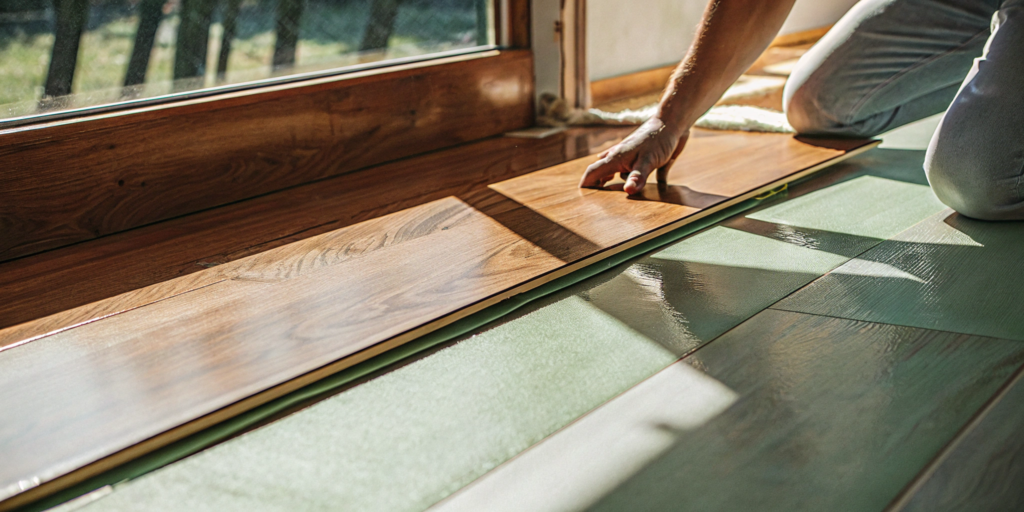
Nothing throws a home renovation project off track faster than unexpected costs. When it comes to new floors, the price you see on the box is just the starting point. A professional installation involves several other essential steps—like removing old flooring, preparing the subfloor, and adding finishing touches—that are critical for a durable, long-lasting result. Instead of being surprised by the final bill, it’s better to know all the variables upfront. We’ll walk you through every factor that influences laminate flooring prices with installation, helping you create a realistic budget and ensuring you get a beautiful floor without any hidden fees.
Key Takeaways
- Budget for the complete project, not just the planks: The true cost of laminate flooring is typically $7 to $12 per square foot, which covers materials, professional labor, and essential prep work like underlayment and subfloor leveling. An in-home estimate is the only way to get a precise quote for your space.
- Professional installation protects your investment: Hiring a pro ensures your subfloor is properly prepared, prevents common DIY mistakes that lead to costly repairs, and keeps your manufacturer’s warranty valid. It’s the surest way to get a beautiful, long-lasting result.
- Choose the right floor for the right room: Laminate’s durability makes it perfect for high-traffic living areas, bedrooms, and hallways. For rooms with high moisture like bathrooms or laundry rooms, a fully waterproof option like luxury vinyl plank (LVP) is a better choice.
How Much Does Laminate Flooring Really Cost to Install?
When you’re planning a flooring project, the first question is always about the budget. While the final price for laminate flooring depends on your specific home and style choices, we can break down the numbers to give you a clear picture of what to expect. The total cost comes down to two main things: the price of the laminate itself and the cost of professional installation. Let’s look at what goes into each so you can feel confident in your planning.
Breaking Down Material Costs
The first line item on your quote will be the flooring itself. Laminate planks typically range from $1 to $4 per square foot, but the final price depends on quality and features. Basic laminate flooring starts at around $3 per square foot, while premium, high-end options with enhanced durability, water resistance, and more realistic textures can cost $5 or more per square foot. This variation in pricing allows you to find a style that fits both your home’s aesthetic and your budget, whether you need a simple solution for a guest room or a heavy-duty floor for a busy hallway.
Understanding Installation and Labor Fees
Great flooring is only as good as its installation. Hiring a professional ensures your laminate is installed correctly to prevent issues like peeling, gapping, or buckling down the road. Professional installation labor generally costs between $2 to $3 per square foot. If you were to hire a general contractor to manage the project, you could expect to add another 13% to 22% to the total for their fee. Working directly with a specialized flooring installer is often more straightforward and cost-effective, as it removes that extra layer of management costs from your final bill.
Your Estimated Cost Per Square Foot
So, what’s the bottom line? When you combine materials and professional labor, you can expect the basic cost to install laminate flooring to land somewhere between $6.91 and $11.81 per square foot. For a full project, this can translate to a total cost anywhere from $2,000 for a small room to over $28,000 for an entire home with premium materials. This range is wide, which is why getting a precise, in-home estimate is so important. It’s the only way to get an accurate quote based on your room’s specific layout, subfloor condition, and the exact flooring you choose.
What Factors Influence Your Final Price?
When you’re budgeting for new laminate floors, the price you see on the box is just the starting point. Several key factors come together to determine your total project cost, and understanding them ahead of time is the best way to avoid surprises. Think of it less like buying a product off the shelf and more like investing in a custom-fit upgrade for your home.
The final price tag depends on four main things: the specific laminate you choose, the size and shape of your room, the condition of the floor underneath, and local labor rates. Each element plays a significant role, and a professional installer will evaluate all of them during an in-home estimate. Getting a handle on these variables will help you ask the right questions and set a realistic budget. It puts you in control of the process, ensuring you get a floor you love at a price that makes sense for you.
The Quality and Thickness of Your Laminate
Not all laminate is created equal. The price per square foot can range from around $3 for basic options to $5 or more for premium styles with realistic textures and enhanced durability. A major factor in this cost is the plank’s thickness. Thinner laminate, around 6 mm, is more budget-friendly and works well in low-traffic spaces like a guest bedroom. For busy hallways, living rooms, or homes with kids and pets, a thicker plank of 12 mm is a much better investment. It feels more solid underfoot and stands up better to daily wear and tear. A higher AC rating, which measures durability, also contributes to the cost but ensures your floors will last.
Your Room’s Size and Layout
This might seem obvious, but the amount of flooring you need is the single biggest factor in your total cost. A small bedroom project will naturally cost far less than reflooring your entire first floor. However, it’s not just about the total square footage. The complexity of the room’s layout also matters. A simple, square room is straightforward to install. But a space with lots of corners, closets, a curved staircase, or other architectural details requires more precise cuts and fitting. This extra work takes more time and skill, which will be reflected in the labor portion of your quote. That’s why an in-home measurement is so important for an accurate price.
The Condition of Your Subfloor
What’s underneath your old flooring is just as important as the new laminate you’re putting on top. Your subfloor—the structural surface below your floor covering—needs to be clean, flat, and dry for a successful installation. If your subfloor is uneven, cracked, or has moisture damage, it will need to be repaired or leveled before any new flooring can be laid. Ignoring these issues can lead to planks that squeak, buckle, or separate over time. While subfloor preparation adds to the initial cost, it’s a non-negotiable step for a durable, long-lasting result that protects your investment. A thorough installer will always inspect the subfloor and include any necessary prep work in your estimate.
Local Labor and Material Rates
Where you live plays a role in your final cost. Labor and material prices can vary from one city to another, and rates in the Dallas-Fort Worth metroplex will be different from those in other parts of the country. Generally, professional installation for laminate flooring costs between $2 and $3 per square foot. If you need your old flooring removed and hauled away, that’s a separate charge, often billed hourly. While online calculators can give you a rough idea, the only way to get a precise figure for your specific project is with a detailed, in-person quote from a local company that understands the market.
Are There Hidden Costs to Budget For?
When you’re planning a flooring project, it’s easy to focus on the price per square foot of the laminate itself. But a beautiful, durable floor is about more than just the planks. A professional installation involves several other key components that ensure your new floor looks great and lasts for years. Think of these not as “hidden” fees, but as essential investments in a quality outcome. A trustworthy installer will walk you through these costs upfront so you have a complete picture of your total investment, with no surprises along the way. The final quote for a flooring project includes the materials, the labor to install them, and the necessary prep work to guarantee a long-lasting result. This includes removing the old floor, laying down a protective underlayment, addressing any subfloor issues, and adding the finishing touches that make the room look complete. Understanding these elements helps you create a realistic budget and appreciate what goes into a high-quality installation. These steps are what separate a quick DIY job from a professional floor that adds value to your home and stands up to daily life. Let’s break down exactly what these additional costs cover.
Removing and Disposing of Old Flooring
Before your new laminate can go in, the old flooring has to come out. Whether it’s worn-out carpet, cracked tile, or dated vinyl, the removal and disposal process is a crucial first step. This job involves more than just pulling up material; it requires the right tools, time, and a plan for getting rid of the debris. Factoring this into your budget from the start is important, as there are often extra costs for preparing the floor and hauling away the old materials. When you work with a professional team, this entire step is handled for you, saving you a trip to the dump and a lot of heavy lifting.
Underlayment and Moisture Protection
Underlayment is a thin layer of material that goes between your subfloor and your new laminate. It might not be visible, but it’s doing some serious work. This layer provides a moisture barrier—which is critical over concrete slabs—and helps absorb sound, making the floor quieter to walk on. It also adds a bit of cushioning for more comfort underfoot. While some laminate comes with a pre-attached pad, a separate, high-quality underlayment is often recommended for better performance and longevity. This is a non-negotiable part of a proper laminate flooring cost and protects your investment from moisture damage and noise.
Finishing Touches: Trim and Transitions
The small details are what give your new floor a polished, complete look. After the laminate planks are installed, trim pieces like baseboards or quarter-round are installed to cover the small expansion gap left along the walls. This gap is necessary to allow the floor to expand and contract with temperature changes. You’ll also need transition strips to create a smooth and safe connection between your new laminate and other flooring types, like the tile in your bathroom or the carpet in a bedroom. These finishing touches are essential for a professional-grade result and are typically priced per linear foot.
Repairing or Leveling the Subfloor
The condition of your subfloor is the single most important factor for a successful laminate installation. Laminate flooring needs a flat, smooth, and solid surface to rest on. If your subfloor is uneven, has dips, or is damaged, it must be fixed before any new flooring is laid down. Attempting to install over a poor subfloor can cause the laminate planks to separate, squeak, or even break over time. Subfloor repair/preparation costs can vary depending on the work needed, from pouring a self-leveling compound to replacing sections of plywood. An in-home estimate is the only way to accurately assess what’s needed.
Should You Hire a Pro or DIY Your Laminate Installation?
It’s the ultimate question for any flooring project: should you roll up your sleeves and do it yourself, or call in a professional? While the idea of saving money with a DIY project is tempting, it’s important to weigh the potential savings against the time, tools, and risks involved. For many Dallas-Fort Worth homeowners, the speed and quality of a professional installation are well worth the investment. Let’s break down what each path really looks like.
Hiring a Pro: The Benefits and True Cost
Hiring a professional installer is about more than just convenience—it’s about ensuring a high-quality, long-lasting result. A pro handles every detail, from assessing your subfloor to making precise cuts and installing trim. This saves you from spending a weekend on your hands and knees and guarantees the job is done right the first time. Of course, this expertise comes at a cost. Some home service estimators report that hiring a general contractor to manage a flooring project can add 13% to 22% to your total budget. Think of it as paying for peace of mind and getting your home back, faster.
Going DIY: Potential Savings vs. Common Pitfalls
The biggest draw for a DIY installation is saving on labor costs. Many online forums suggest that installing laminate is a straightforward project, and it can be if everything goes perfectly. However, the reality is that small mistakes can lead to big problems. Common DIY pitfalls include not leaving a proper expansion gap (which causes buckling), failing to level the subfloor, or damaging planks during installation. As some experts note, a DIY job can save you money on labor, but it also comes with the risk of poor installation that could require costly fixes down the road.
The Tools and Time a DIY Project Requires
Before you start, consider the tools and time you’ll need. A successful DIY laminate installation requires more than just the flooring planks. You’ll need a circular saw or miter saw for clean cuts, a tapping block, a pull bar, and possibly a jamb saw for trimming door casings. A popular Reddit discussion on the topic highlights that you’ll also need a straight edge and clamps for accuracy. Beyond the cost of buying or renting tools, think about the time commitment. A project that takes a professional a day could easily consume your entire weekend, a valuable trade-off for busy homeowners.
How Installation Affects Your Warranty
Here’s something many homeowners overlook: how you install your flooring can directly impact its warranty. Manufacturers have very specific guidelines for installation, from the type of underlayment required to the size of the expansion gap along the walls. Failing to follow these instructions can void your warranty, leaving you unprotected if the product fails. Since laminate flooring is not waterproof, an improper installation that allows moisture to seep between planks can cause irreversible damage. Hiring a professional ensures your new floor is installed to manufacturer standards, protecting your investment for years to come.
How Does Laminate Pricing Compare to Other Floors?
Choosing a new floor often comes down to balancing your budget with your vision for the space. Laminate is well-known for being a cost-effective option, but how does it really stack up against other popular materials? It’s not just about the price per square foot on the box; you also have to consider installation costs, long-term durability, and how the floor will hold up to your family’s lifestyle.
Understanding these comparisons helps you make a decision you’ll be happy with for years to come. While laminate might be the clear winner for a quick, budget-friendly update in a guest room, another material like luxury vinyl plank or engineered hardwood might offer better long-term value for a high-traffic kitchen or living room. Let’s break down how laminate compares to two of its biggest competitors so you can see where your money is best spent.
Laminate vs. Luxury Vinyl Plank (LVP)
At first glance, laminate and LVP seem very similar. Both are durable, stylish alternatives to hardwood, but they have key differences in price and performance. Laminate flooring typically has a lower starting price, making it an attractive option if upfront cost is your main concern. However, the biggest distinction is how they handle water. LVP is a synthetic vinyl product, making it 100% waterproof and ideal for bathrooms, laundry rooms, and basements.
While many modern laminates now feature excellent water resistance, they still have a wood fiber core that can swell with prolonged exposure to moisture. For most living areas, a high-quality water-resistant laminate is more than enough, but for rooms prone to spills and humidity, LVP often provides better peace of mind.
Laminate vs. Engineered Hardwood
If you love the authentic look of real wood, you’ve probably considered engineered hardwood. This is where the price difference becomes more significant. The hardwood flooring installation process is more complex, often costing between $8 to $15 per square foot for labor and materials combined. Laminate is considerably less expensive because it features a photographic image of wood grain, while engineered hardwood has a thin top layer of real solid wood.
This real wood veneer gives engineered flooring its authentic look and feel, and it can even be sanded and refinished once or twice in its lifetime. Laminate can’t be refinished; if a plank is deeply scratched or damaged, it must be replaced. Your choice here comes down to budget versus authenticity and the potential for a longer lifespan.
Factoring in Long-Term Value and Upkeep
When you’re thinking about cost, it’s important to look beyond the initial price tag. The average lifespan of laminate flooring is about 15-25 years, but this can be much shorter in busy households or if you choose a lower-quality product. Investing in a thicker, more durable laminate and ensuring it’s installed correctly from the start can save you a lot of money and headaches down the road.
While laminate is easy to clean, it’s not as forgiving as other materials when it comes to major damage. Unlike solid hardwood that can be sanded down, a deep gouge in laminate is permanent. Considering the total cost of ownership—including potential repairs or earlier replacement—is key to deciding if laminate’s upfront savings make it the right long-term value for your home.
Is Laminate the Right Choice for Your Home?
Beyond the numbers, the most important question is whether laminate flooring fits your lifestyle and your home’s needs. It’s a fantastic option for many Dallas-Fort Worth homeowners, but it’s not a one-size-fits-all solution. Understanding its strengths and weaknesses will help you decide if it’s the right long-term investment for you.
Laminate offers an incredible balance of durability, style, and affordability, making it a strong contender against other popular materials. But before you commit, let’s look at how it holds up to daily life, where it performs best, and what it means for your home’s value. This will give you the confidence to know you’re choosing a floor you’ll love for years to come.
Durability and Everyday Maintenance
If you have a busy household with kids, pets, or lots of foot traffic, laminate’s durability is a major plus. It’s designed with a tough wear layer that resists scratches, scuffs, and stains, so you don’t have to worry about every little spill or dropped toy. Daily upkeep is simple—a quick sweep or vacuum is usually all it takes to keep it looking great. For a deeper clean, a damp mop does the trick.
The main thing to remember is that laminate and standing water are not friends. While it can handle a quick spill if you wipe it up right away, prolonged exposure to moisture can cause the planks to swell or warp. This is why it’s crucial to manage spills promptly and use the proper cleaning techniques.
Where Laminate Works Best (and Where It Doesn’t)
Laminate flooring is incredibly versatile and works beautifully in most areas of a home. It’s an excellent choice for living rooms, hallways, bedrooms, and home offices—any space that sees a lot of daily activity. Because it’s so easy to clean and holds up well against wear and tear, it’s a practical and stylish solution for the main living areas where your family spends the most time.
However, its vulnerability to moisture means it’s not the best fit for every room. We generally advise against installing laminate in full bathrooms, laundry rooms, or basements where spills, humidity, or potential leaks are common. For these high-moisture areas, a waterproof material like luxury vinyl plank (LVP) is a much safer and more durable choice.
Style Options and Impact on Resale Value
Gone are the days of laminate looking like a cheap imitation. Today’s technology allows for incredibly realistic textures and high-definition visuals that mimic everything from rustic hardwood to sleek, modern stone. You can find options with embossed grain patterns that feel like real wood underfoot, giving you a high-end look without the high-end price tag. This variety makes it easy to find a style that perfectly matches your home’s decor.
Because of its durability and modern appearance, a high-quality laminate floor can be a great investment that positively impacts your home’s resale value. Buyers appreciate seeing a clean, durable, and updated floor. When installed correctly, it presents a move-in-ready look that appeals to a wide range of people, making your home more attractive on the market.
Related Articles
Frequently Asked Questions
Why is an in-home estimate necessary for an accurate quote? Online calculators can give you a ballpark figure, but they can’t see your home. An in-home estimate is the only way to get a precise price because it allows a professional to assess the three things that most impact your final cost: the exact measurements of your space, the unique layout of your rooms, and the current condition of your subfloor. This step ensures your quote is tailored specifically to your project, preventing any unexpected costs later on.
Can you install new laminate directly over my old flooring? While it might seem like a time-saver, installing new laminate over an existing floor is generally not recommended. A successful, long-lasting installation depends on a subfloor that is perfectly clean, flat, and structurally sound. Placing new planks over old tile, vinyl, or carpet can create an unstable surface, leading to gaps, squeaks, or buckling. Removing the old flooring is a critical step to ensure your new investment performs beautifully for years.
How long does a typical laminate installation project take? The timeline depends on the size of your project and the amount of prep work required, but speed is a major benefit of working with a professional crew. For a few standard-sized rooms, a skilled team can often complete the entire installation—from removing the old floor to installing the final trim piece—in just one to two days. This minimizes the disruption to your daily life and gets you back to enjoying your home quickly.
Is more expensive, thicker laminate always the better choice? Not necessarily. The best choice depends entirely on the room you’re updating. For a high-traffic area like your living room or main hallway, investing in a thicker, more durable 12 mm plank is a smart move that will stand up to daily wear and tear. However, for a low-traffic space like a guest bedroom, a more budget-friendly, thinner plank is often more than sufficient. It’s all about matching the product to the demands of the space.
What’s the most important thing to know about caring for laminate floors? The golden rule for laminate is to manage moisture. While modern laminate is incredibly durable and scratch-resistant, its wood fiber core is vulnerable to standing water. The most important habit you can develop is to wipe up any spills as soon as they happen. Avoid using a soaking wet mop for cleaning; instead, a lightly damp mop or a cleaner made for laminate is all you need. This simple step is the key to preventing swelling or warping and keeping your floors looking new.