
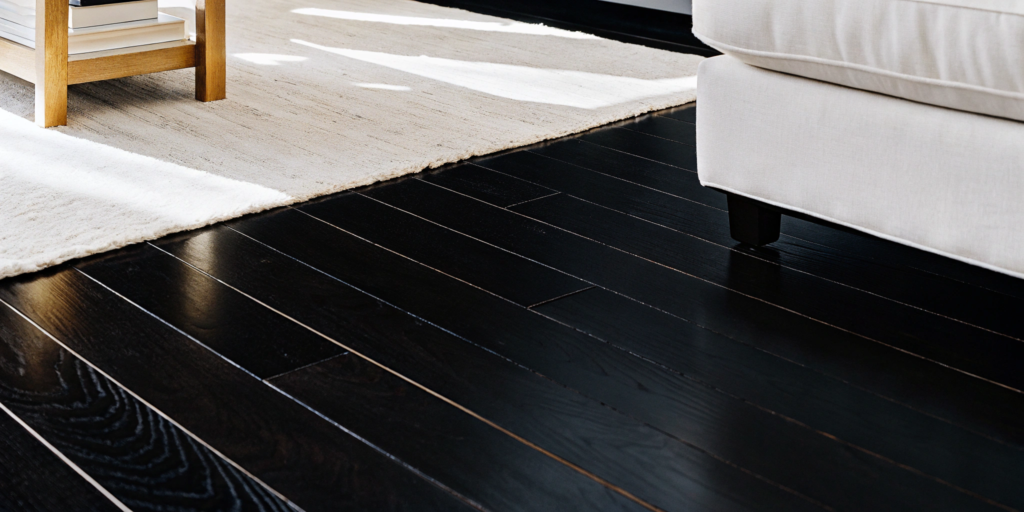
The difference between a floor that looks great for a year and one that lasts for decades often comes down to avoiding a few common mistakes. It’s easy to get excited and rush into laying planks, but skipping crucial prep work or forgetting a key step can lead to frustrating and costly problems later. This guide is designed to be your trusted resource, showing you not just what to do, but also what not to do. We’ll highlight the common pitfalls that can derail an engineered hardwood installation and give you the practical knowledge to sidestep them, ensuring your floor is stable, quiet, and beautiful from day one.
Key Takeaways
- Success starts before the first plank is laid: The most crucial steps happen before installation. Always acclimate your flooring in the room for at least 48 hours and get your subfloor completely clean, level, and dry to prevent future issues like squeaks or gaps.
- Get the details right for a professional finish: A great installation comes down to a few key details. Maintain a ¼-inch expansion gap around the entire room to prevent buckling, and stagger the ends of your planks by at least six inches for a strong, seamless look.
- Finish strong and maintain your work: Once the floor is laid, wait at least 24 hours before adding furniture. To keep it looking beautiful for years, focus on maintaining stable humidity in your home and sticking to a simple cleaning routine with a hardwood-safe cleaner.
What Is Engineered Hardwood?
If you love the timeless look of hardwood but need something more practical for your busy Dallas-Fort Worth home, engineered hardwood is an excellent choice. It offers the same beauty as solid wood because the top layer is real wood, but its unique construction provides stability and versatility that solid wood just can’t match. This makes it a smart, durable solution for almost any room in your house. Let’s break down what makes it such a popular and reliable flooring option.
Understanding Its Layered Construction
Think of an engineered hardwood plank as a high-tech sandwich. The top layer is a thin slice of genuine hardwood—like oak, hickory, or maple—which gives you that authentic look and feel. Below that visible surface are multiple layers of high-quality plywood or high-density fiberboard (HDF) stacked in alternating directions. This cross-grained core is the secret to its strength. By bonding these layers together under intense heat and pressure, manufacturers create a plank that is incredibly stable and structurally sound. This design is what sets it apart from a single, solid piece of wood.
Why It Resists Moisture Better Than Solid Wood
That layered core we just talked about is also why engineered hardwood stands up so well to Texas humidity. Solid wood is like a sponge—it expands and contracts significantly with changes in moisture, which can lead to warping or gapping. The cross-layered core of engineered wood, however, counteracts this natural movement. Each layer’s grain runs in a different direction, which restricts the plank’s ability to swell or shrink. This structural stability means you can confidently install engineered hardwood in places where solid wood is a risk, like over concrete slab foundations or in finished basements.
The Benefits for Your Budget and Timeline
Beyond its durability, engineered hardwood delivers fantastic value. It’s generally more affordable than solid hardwood, allowing you to get that premium wood look without stretching your budget. And this isn’t a short-term fix; a quality engineered floor can last for decades, often between 20 and 80 years, depending on the thickness of the top wood layer. Because it can be installed using different methods—including floating, which is often faster than nailing down solid wood—it can also help shorten your project timeline. This means less disruption to your daily life and beautiful new floors you can enjoy sooner.
How to Prepare for Your Installation
A beautiful, long-lasting engineered hardwood floor starts long before you lay the first plank. Proper preparation is the single most important factor in getting a professional result that stands the test of time. Rushing this stage can lead to squeaks, gaps, and buckling down the road. Taking the time to get your room ready ensures your new floors will look and perform their best for years to come. Think of it as setting the foundation for a successful project—it’s the work you do now that prevents headaches later.
Acclimate Your Planks (Don’t Skip This!)
This step is incredibly simple but absolutely essential. Wood is a natural material that expands and contracts with changes in temperature and humidity. To prevent your new floors from warping or buckling after installation, you need to let the planks acclimate to your home’s environment. Simply bring the unopened boxes of flooring into the room where they will be installed and let them sit for at least 24 to 48 hours. This gives the wood time to adjust to the room’s specific climate, ensuring a stable and secure fit once the planks are connected.
Prep and Level Your Subfloor
Your new engineered hardwood is only as good as the surface it’s installed on. Before you begin, you need a clean, flat, and solid subfloor. Start by removing the old baseboards and any existing flooring. Next, thoroughly sweep and vacuum the area to get rid of all dust and debris. Carefully inspect the subfloor for any protruding nails or staples and remove them. Check for any high or low spots. A level subfloor is critical for preventing hollow sounds and uneven wear. You may need to sand down high spots or use a leveling compound to fill in dips, but this extra effort pays off with a flawless finish.
Test for Moisture and Choose Your Underlayment
Moisture is the biggest threat to any wood floor. Before installation, it’s crucial to test the moisture content of your subfloor to ensure it’s dry enough for installation. For wood subfloors, the moisture level should be below 12%. You should also maintain a consistent temperature (60-80°F) and humidity (30-50%) in the room. Once you’ve confirmed the subfloor is dry, you’ll need to select an underlayment. This thin layer of material goes between the subfloor and your engineered hardwood. It acts as a moisture barrier, reduces noise, provides a bit of cushioning, and helps smooth over minor imperfections in the subfloor. Don’t treat it as optional—an underlayment is a key component for protecting your investment.
Gather Your Tools and Materials
A smooth installation starts with having everything you need within arm’s reach. Nothing slows down a project faster than having to stop and run to the hardware store for a tool you forgot. Before you lay the first plank, take a few minutes to gather your equipment. This simple step ensures your project goes efficiently and helps you achieve that professional finish you’re looking for. Think of it as setting up your command center—a little organization now saves a lot of frustration later.
We’ll break this down into three categories: the tools you’ll use, the supplies your floor needs, and the safety gear you shouldn’t work without.
Your Essential Tool Checklist
These are the core tools that will get you through nearly every step of the installation. You might already have many of these in your garage. Your checklist should include a tape measure, pencil, a utility knife, and a combination square for accurate marking and cutting. You’ll also need a rubber mallet and a tapping block to gently nudge planks into place without damaging the locking systems. To maintain the crucial expansion gap along the walls, you’ll need 1/4-inch spacers. Finally, you’ll need a power saw—a miter saw is ideal for clean, straight cuts, but a circular or hand saw will also work.
Necessary Supplies for the Job
Unlike tools, these are the materials you’ll use up during the installation. First, you’ll need a reliable moisture meter to test your subfloor—a critical step we covered in the prep phase. Depending on your installation method, you’ll also need a high-quality wood flooring adhesive and the specific trowel size recommended by the adhesive manufacturer. A pull bar is essential for tightening the seams on the last row of planks in a tight space. It’s also smart to have a specialized adhesive remover and a few clean rags on hand, because even the neatest installers can have a little squeeze-out.
Don’t Forget Safety Gear
Please don’t treat this part as optional. Your safety is the most important part of any home project. Always wear safety glasses to protect your eyes from dust and debris, especially when cutting planks. A good pair of knee pads will save your joints from hours of discomfort on a hard subfloor. If you’re tearing out old carpet, we strongly recommend wearing thick work gloves to protect your hands from hidden staples and tack strips. An old carpet can also hide years of dust and dander, so using a dust mask or respirator is a great idea to keep from breathing that in.
Choose Your Installation Method
One of the best things about engineered hardwood is its versatility, and that extends to how it’s installed. Unlike solid hardwood, which is almost always nailed down, engineered planks can be floated, glued, or nailed. The right choice for your home depends on your subfloor type, the room’s traffic level, and your comfort with the process.
Making the right call here is crucial for the long-term performance and durability of your floors. A floating floor is often the go-to for DIY projects and standard living areas, while a glue-down installation offers incredible stability over concrete. For homes with a plywood subfloor, nailing or stapling provides a classic, solid feel underfoot. Let’s walk through each option so you can confidently decide which path is best for your project.
The Floating Method
The floating method is the most popular choice for a reason—it’s straightforward and doesn’t require messy adhesives or special nail guns. The planks are designed to click and lock together at the edges, forming a single, solid surface that “floats” over the subfloor. It isn’t attached directly to the subfloor, which allows the wood to expand and contract naturally with changes in humidity.
Before you start, you’ll need to roll out an underlayment. This thin layer of foam or cork is essential for moisture protection, sound dampening, and smoothing over minor imperfections in the subfloor. You’ll also need to leave a small expansion gap (usually about ¼ inch) around the perimeter of the room to give the floor space to move.
The Glue-Down Method
If you’re installing engineered hardwood over a concrete slab or in a high-traffic area like a kitchen or entryway, the glue-down method is an excellent choice. This technique involves spreading a specialized wood flooring adhesive directly onto the subfloor with a trowel and setting the planks into it. The result is an incredibly solid and stable floor that feels completely bonded to the foundation of your home.
The key to a successful glue-down installation is to work in small, manageable sections. You only want to spread enough adhesive for a few rows at a time to prevent it from drying out before you can lay the planks. This method requires a bit more patience and attention to detail to avoid a mess, but the permanent, durable result is often worth the effort.
The Nail-Down or Staple-Down Method
For homeowners with a plywood or OSB subfloor, the nail-down or staple-down method offers a traditional and extremely secure installation. This technique involves using a pneumatic flooring nailer or stapler to drive fasteners through the tongue of each plank and into the wooden subfloor below. Because the fasteners are hidden, you get a clean, seamless look.
This method is often preferred by professionals because it creates a floor with zero give or movement. The first row is typically secured by hand-nailing through the face of the planks near the wall (where the baseboard will hide the nails), and from there, the power nailer does the rest. It’s a fast and effective method, but it absolutely requires the right kind of subfloor to work.
Which Method Is Right for Your Home?
So, how do you choose? It really comes down to your subfloor and your needs. If you have a concrete subfloor, your options are floating or glue-down. If you have a wooden subfloor, you can choose any of the three methods.
For most residential spaces like bedrooms and living rooms, a floating installation is perfectly suitable and the most DIY-friendly. For kitchens, basements, or any area where you want maximum stability, a glue-down application is the superior choice. If you have a wooden subfloor and want that classic, rock-solid feel underfoot, you can’t go wrong with a nail-down installation. Understanding your subfloor preparation is the first step to making the right decision.
Your Step-by-Step Installation Guide
With your room prepped and your tools ready, it’s time for the most rewarding part: laying the floor. This is where your vision starts to become a reality, plank by plank. The key to a professional-looking result is patience and precision, especially in the first few rows. A strong start ensures everything else will fall into place correctly.
This guide walks you through the core mechanics of a floating floor installation, which is the most common DIY method for engineered hardwood. While the exact steps can vary slightly depending on whether you’re gluing or nailing, the principles of starting straight, leaving an expansion gap, and staggering your seams are universal. Taking your time here will pay off for years to come, giving you a beautiful and durable floor that you can be proud of. Remember to always consult the specific instructions from your flooring manufacturer, as they will provide the definitive guide for their product.
Laying the First Row Perfectly
Your first row sets the standard for the entire floor, so getting it right is essential. Start in a corner, laying the first plank with its tongue side facing into the room. This orientation allows you to easily tap the groove of the next row onto the tongue of the first. Place 1/4-inch spacers between the short and long sides of the plank and the walls. As you work your way across the room, lock the short ends of the planks together. To ensure a tight connection without damaging the wood, gently tap the planks into place using a tapping block and a rubber mallet. A snug fit is crucial for a seamless look.
Leave Room for Expansion Gaps
It might feel counterintuitive to leave a gap around the perimeter of your new floor, but this step is non-negotiable. Engineered hardwood is still made with real wood, which naturally expands and contracts with changes in humidity and temperature. Placing 1/4-inch spacers along every wall creates a critical expansion gap. This small space gives your floor room to breathe and shift throughout the seasons. Without it, the planks could press against the walls and each other, leading to buckling or warping over time. Don’t worry about the appearance—this gap will be completely hidden once you reinstall your baseboards.
Connect Planks and Stagger the Seams
Once your first row is down, the rest of the installation will start to move more quickly. To create a strong and visually appealing floor, you need to stagger the plank ends by at least six inches between adjacent rows. This avoids creating noticeable lines where the short ends of the planks meet. An easy way to achieve a natural stagger is to use the leftover piece from the last plank of one row to start the next, as long as it’s at least six inches long. As you connect the tongue-and-groove joints, use your tapping block and mallet to ensure every connection is secure. This method protects the plank edges from damage while creating a solid, interlocked floor.
Laying the Rest of Your Floor
Continue laying planks row by row, maintaining the staggered pattern and the expansion gap along the walls. Work your way across the room, gently tapping each plank for a tight fit. As you progress, periodically step back and check your work to ensure the rows are straight and the seams are snug. Once the final plank is in place, the hard part is over. However, it’s important to let the floor settle. For best results, you should avoid heavy foot traffic and wait at least 24 hours before moving furniture back into the room. This gives the flooring time to acclimate and settle into its new home without any added pressure.
Handle Cuts and Transitions Like a Pro
This is where the magic really happens. Laying full planks across an open room is straightforward, but handling the details—the cuts, corners, and transitions—is what separates a standard DIY job from a truly professional installation. Getting these final touches right is the key to a floor that looks seamless, integrated, and polished. Don’t let this part intimidate you. It’s less about owning a workshop full of fancy tools and more about adopting a mindset of patience and precision. A well-executed cut or a perfectly placed transition strip is a signature of quality craftsmanship.
We’ll walk through the three most important steps for finishing like a pro. First, we’ll cover how to measure and cut your planks for a perfect fit every time, ensuring minimal waste and clean edges. Next, we’ll tackle those tricky spots like doorways and cabinets, using a simple technique that creates a flawless, built-in look. Finally, we’ll show you how to install transition strips to create a smooth flow between your new hardwood and other flooring surfaces, like the tile in your kitchen or the carpet in a bedroom. Taking your time on these steps will pay off in a big way, giving you a beautiful floor you can be proud of for years to come.
Measure and Cut Planks with Precision
The old saying “measure twice, cut once” is your best friend here. For the cleanest results, always mark your cutting line on the finished side of the plank. When you’re ready to cut, make sure the finished side is facing up. This helps prevent the saw blade from splintering the top wood veneer, keeping your edges crisp. A table saw or even a simple hand saw will work, but safety is key—always wear a mask to avoid inhaling dust. Before you start, take a moment to check the specific cutting instructions for your flooring, as some products have unique recommendations that can make all the difference in the final look.
Work Around Doorways and Obstacles
Nothing screams “DIY” like a poorly cut plank notched around a door frame. The professional approach is much cleaner and surprisingly simple: cut the door frame itself. Using an oscillating multi-tool or a flush-trim saw, carefully cut off the bottom of the door casing at the height of your new flooring. This creates a small gap that allows you to slide the plank directly underneath the frame. The result is a seamless, custom-fit look with no visible gaps. This technique works for door jambs, cabinet toe-kicks, and other permanent obstacles, giving your installation a polished, built-in appearance that looks like it was always meant to be there.
Install Transition Strips and Thresholds
Transition strips are the finishing touch that ties your new floor to the rest of your home. They cover the expansion gap and create a smooth bridge between your engineered hardwood and other flooring types. For areas where the hardwood meets another hard surface of a similar height, a T-molding is the perfect solution. There are also special transition pieces for connecting to carpet or lower floors. To install most types, apply a bead of strong construction adhesive to the subfloor in the gap between the two floors and press the strip firmly into place. This small detail protects the edges of your planks and gives the entire project a clean, intentional look.
Common Installation Mistakes to Avoid
You’ve picked out the perfect engineered hardwood, cleared the room, and you’re ready to get started. This is where the details really matter. A successful installation isn’t just about laying planks; it’s about avoiding the common slip-ups that can turn a dream floor into a future headache. Even small oversights can lead to creaks, gaps, or uneven surfaces down the road. Think of it like painting a room—the final result is only as good as your prep work and attention to detail.
The good news is that these mistakes are entirely preventable once you know what to look for. Whether you’re tackling this project yourself or just want to understand the process better, knowing these key points will help ensure your new floors look professional and last for years. We’ll walk through the four most common installation errors we see and give you clear, actionable steps to sidestep them. From preparing your subfloor correctly to getting the finishing touches just right, a little extra care makes all the difference.
Mistake #1: Skipping Prep Work
It’s tempting to jump right into laying the beautiful new planks, but the work you do before the first board goes down is the most critical part of the entire project. Your subfloor must be perfectly clean, flat, and dry. As one installation guide notes, “Even a tiny bit of sand or dirt left underneath can cause problems later.” Debris can create high spots that cause planks to rock or squeak, while an uneven subfloor prevents the locking mechanisms from engaging properly. Take the time to thoroughly sweep and vacuum the area, check for levelness, and sand down any high spots. This foundational step ensures your finished floor is stable, quiet, and smooth underfoot.
Mistake #2: Forgetting Expansion Gaps
Engineered hardwood, like any wood product, responds to changes in temperature and humidity by expanding and contracting. This movement is completely natural, but it needs space to happen. That’s why leaving a small expansion gap around the perimeter of the room is non-negotiable. Most manufacturers recommend using 1/4-inch spacers along the walls to create a consistent gap, which will later be covered by your baseboards. Forgetting this step can cause your floor to buckle, warp, or cup as the seasons change, creating an unsightly and potentially costly problem. This simple step gives your floor the breathing room it needs to stay flat and beautiful for its entire lifespan.
Mistake #3: Making a Mess with Glue
If you’re using the glue-down method, your motto should be “work clean.” Flooring adhesive is incredibly strong and starts to set quickly, making spills a real pain to deal with if you wait too long. It’s essential to clean up any adhesive that gets on the surface of the planks immediately. Keep a dry or slightly damp cloth handy specifically for this purpose. A small drip might not seem like a big deal in the moment, but once it cures, it can be nearly impossible to remove without damaging the floor’s protective finish. By cleaning as you go, you’ll save yourself a lot of frustration and ensure a spotless, professional-looking result.
Mistake #4: Using Short Planks Incorrectly
The layout of your planks affects both the strength and the visual appeal of your floor. A common mistake is using planks that are too short at the beginning or end of a row. As a general rule, you should “avoid using pieces shorter than 12 inches next to a wall.” Short pieces can create weak points in the floor’s structure, leading to instability over time. Aesthetically, using too many short boards creates a choppy, busy pattern that looks unprofessional. Proper staggering with longer planks creates a more natural, seamless appearance and ensures the joints are distributed evenly for a stronger, more durable floor.
Add the Finishing Touches
With the main part of the installation behind you, it’s time for the final steps that truly complete the project. These finishing touches are what separate a good-looking floor from a professionally finished one. Taking the time to handle the trim, cleanup, and initial care correctly ensures your new engineered hardwood floors will look their best and last for years. It’s all about protecting your investment and creating a space that feels polished and ready for daily life. These details might seem small, but they make a huge difference in the final result.
Install Baseboards and Molding
Now you can address the expansion gaps you left along the walls. This is where baseboards and molding come in. After removing any temporary spacers, you’ll want to install trim to cover those gaps neatly. This step is essential for a professional look, as it creates a seamless transition from the floor to the wall. It also protects the edges of your planks from damage. Whether you’re reinstalling your old baseboards or putting in new ones, make sure they sit snugly against the floor without pinching it, allowing the wood to expand and contract naturally underneath.
Complete a Final Cleanup and Inspection
A clean workspace is a safe workspace, and it’s also the key to a flawless finish. If you used the glue-down method, it’s especially important to wipe up any excess adhesive right away with a clean rag and the recommended remover before it has a chance to harden. Once the trim is installed, give the entire floor a thorough sweep and vacuum to remove all dust and debris. Then, do a final walk-through. Look at the floor from different angles to check for any imperfections, uneven planks, or gaps that need attention. This final inspection ensures everything is perfect before you move furniture back in.
Know Your Post-Installation Care
Your new floors need a little time to settle in. It’s best to wait at least 24 to 48 hours before walking heavily on them or returning furniture to the room. This allows the flooring to acclimate and any adhesives to cure completely. When you do move furniture, use felt pads on the legs to prevent scratches. It’s also critical to avoid covering your new floors with non-breathable materials like plastic sheeting. This can trap moisture and heat, potentially damaging the finish. Following these simple post-installation care steps will set your floor up for a long, beautiful life.
Keep Your New Floors Looking Great
You’ve put in the work, and your new engineered hardwood floors look incredible. Now, let’s make sure they stay that way. A little care goes a long way in protecting your investment and keeping your floors looking brand new for years. The right maintenance routine isn’t complicated—it’s just about building a few simple habits that protect the wood’s finish and structure. From the first few days to your weekly cleaning schedule, here’s everything you need to know to maintain that beautiful, fresh-install look.
Immediate Post-Installation Care
Patience is key right after your installation is complete. Give your new floors at least 24 to 48 hours to settle before moving furniture back into the room or allowing heavy foot traffic. This waiting period is crucial because it lets the planks fully acclimate to your home’s environment and ensures any adhesives have time to cure properly. Rushing this step can cause planks to shift or scratch. Think of it as letting your floors get comfortable before you ask them to do any heavy lifting. Once this initial period is over, you can start enjoying your beautiful new space.
Your Long-Term Cleaning Routine
The best way to keep your engineered hardwood looking pristine is with a simple, consistent cleaning routine. A daily sweep with a soft-bristle broom or a quick pass with a dust mop will prevent dirt and grit from scratching the surface. When spills happen, clean them up immediately with a dry or slightly damp cloth to prevent moisture from seeping into the wood. For a deeper clean, use a pH-neutral cleaner specifically designed for hardwood floors. You can also protect high-traffic areas with area rugs and place felt pads under all furniture legs to prevent scuffs and scratches. These small habits make a huge difference in the long-term care of your floors.
Manage Humidity and Temperature
Engineered hardwood is more stable than solid wood, but it’s still a natural product that reacts to its environment. Maintaining consistent humidity and temperature levels in your home is one of the most important things you can do to prevent warping, gapping, or cupping. Aim to keep your home’s humidity between 30% and 50% and the temperature between 60°F and 80°F year-round. Using a humidifier in the dry winter months and a dehumidifier during the humid Dallas summers can help. This simple step not only protects your floors but also ensures you stay within the terms of your product warranty.
When to Call a Professional Installer
Tackling a DIY project can be rewarding, but flooring requires precision. While this guide equips you to install engineered hardwood, it’s just as important to know your limits. Calling a professional isn’t admitting defeat—it’s a smart decision to protect your investment and avoid future headaches. An experienced installer assesses your home’s unique conditions and solves problems before they start. If you have a tight deadline, a tricky layout, or simply want the peace of mind that comes with a job done right, bringing in an expert is the best path forward.
If Your Project Is Complex
Not all rooms are simple squares. If your subfloor isn’t perfectly flat or you’re connecting rooms with height differences, the project’s difficulty rises quickly. Uneven subfloors can cause planks to flex, leading to hollow spots or annoying clicking sounds. A professional knows how to level the subfloor to create a solid, quiet foundation. Transitions between rooms are another common challenge. An expert can identify these potential issues during an in-home estimate and build the right fix into the installation plan from the start, ensuring a safe and seamless look.
When You’re Short on Time or Tools
Let’s be honest: installing a floor is a major time commitment. If you’re a busy professional, dedicating a full weekend to a flooring project might not be realistic. A professional crew can complete an installation far more quickly, minimizing disruption to your life. They also have all the specialized equipment for a perfect installation process, from miter saws for precise cuts to moisture meters for subfloor testing. Plus, you’ll need to avoid heavy foot traffic for 24 hours after the job is done, which is much easier to manage with a professional timeline.
To Protect Your Warranty
Engineered hardwood is a significant investment, and the manufacturer’s warranty is there to protect it. However, warranties often have strict installation requirements, specifying that the job site’s humidity must be kept between 30–50% and the temperature between 60–80°F. Failing to meet these conditions could void your coverage. A professional installer is familiar with these rules and has the tools to ensure your home is compliant. By hiring an expert, you’re ensuring your new floors perform beautifully for years and that your investment is covered. Following proper maintenance tips afterward will keep them looking great.
Related Articles
- Engineered Wood Flooring – Next Day Flooring
- Solid Wood Flooring – Next Day Flooring
- Laminate Flooring – Next Day Flooring
- FAQs – Next Day Flooring
Frequently Asked Questions
Can I really install engineered hardwood in a kitchen or bathroom? Engineered hardwood is a fantastic choice for kitchens. Its layered construction makes it much more stable than solid wood, so it handles the temperature and humidity shifts common in a kitchen without warping. However, I would advise against installing it in a full bathroom with a shower or tub. While it resists moisture well, it isn’t waterproof, and standing water from a bath or shower can cause serious damage over time.
Is engineered hardwood a good choice if I have kids or pets? Absolutely. The key is to look at the protective finish on the planks. Most modern engineered hardwoods come with a factory-applied, multi-layer urethane finish that is incredibly tough and resistant to scratches and scuffs from pet claws or kids’ toys. For extra peace of mind, choose a product with a thicker top wood layer and a finish that includes aluminum oxide, which adds another level of durability for a busy household.
Can engineered hardwood be refinished like solid hardwood? Yes, it can, but how many times depends entirely on the thickness of the top wood layer. A high-quality engineered plank with a thick veneer can typically be sanded and refinished once or twice in its lifetime. This is a great way to erase years of wear and make your floors look new again. Thinner, more budget-friendly options may not have enough wood on top to allow for sanding, so it’s an important factor to consider when you buy.
How long does a typical installation take from start to finish? The timeline has a few parts. First, the wood needs to acclimate in your home for at least 24 to 48 hours. The subfloor preparation can take anywhere from a few hours to a full day, depending on its condition. Once that’s done, a professional crew can often install the flooring in an average-sized home in just one or two days. This efficiency is one of the biggest advantages of hiring an expert.
Do I always need an underlayment for a floating floor? Yes, you should never skip the underlayment. It performs several critical jobs that protect your floor and make it more comfortable. It acts as a barrier against any moisture coming up from the subfloor, it helps dampen sound when you walk, and it provides a bit of cushioning that makes the floor feel more solid underfoot. It’s a small step that makes a huge difference in the long-term performance of your floor.