
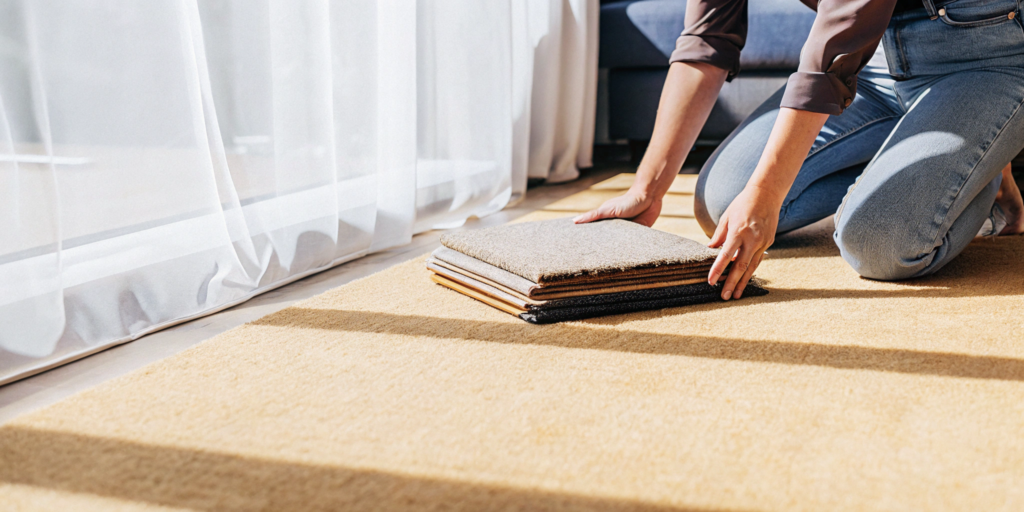
Choosing new carpet can feel completely overwhelming. You walk into a showroom and are immediately faced with hundreds of samples in every color, texture, and material imaginable. How do you know which one is right for your busy family, your pets, or that high-traffic staircase? The secret isn’t to become a fiber expert overnight. It’s about matching the carpet to your lifestyle. Instead of getting lost in the options, this guide will help you focus on what truly matters: durability, maintenance, and long-term value. Making the right choice is the most important step in a successful carpet replacement project that you’ll love for years.
Key Takeaways
- Choose a carpet that fits how you live. Focus on durability for high-traffic areas by selecting a resilient fiber like nylon and a dense pile. For quieter spaces like bedrooms, you can prioritize softness and comfort.
- Look beyond the price per square foot. A true project budget includes the cost of the carpet plus essential extras like new padding, professional installation, and old flooring removal. A detailed, itemized quote is the best way to avoid unexpected expenses.
- Professional installation protects your investment. Key steps like proper subfloor preparation and power-stretching are crucial for your carpet’s longevity and appearance. Hiring an expert prevents costly mistakes and ensures the job is done right the first time.
Is It Time to Replace Your Carpet?
There’s nothing quite like the soft, warm feel of carpet under your feet. It makes a room feel instantly cozier and more inviting. But like anything in your home, carpet has a lifespan, and eventually, it needs to be replaced. For most households, carpet lasts about 5 to 15 years, depending on the quality, the material, and how much foot traffic it endures. If you have kids, pets, or frequently host guests, you might find your carpet showing its age on the earlier side of that range.
Deciding to replace your carpet is a big step, but it’s an investment in your home’s comfort, health, and overall value. Worn-out carpet can make an entire room look dated, while lingering allergens and odors can affect your family’s well-being. If you’re on the fence, paying attention to a few key signs can make the decision much clearer. From visible wear and tear to stubborn stains, your carpet will tell you when it’s time for a fresh start.
Telltale Signs of Wear and Tear
The most obvious sign it’s time for a change is visible wear. Take a close look at your high-traffic areas, like hallways, stairs, and the paths between furniture. Do you see matted-down fibers that won’t fluff up, no matter how much you vacuum? Other common signs include fraying edges, visible wear patterns, and a noticeable lack of cushioning underfoot. When the padding and fibers break down, the carpet loses its soft, supportive feel. If your carpet looks tired and has lost its original texture, even a professional cleaning won’t bring it back to life. At that point, replacement is your best option for restoring comfort and appearance.
Lingering Stains and Odors
Some accidents are impossible to forget, especially when they leave a permanent mark on your floor. Stains that persist despite your best cleaning efforts are a clear sign that the carpet is beyond saving. Spills can soak through the carpet fibers and into the padding, making them impossible to remove completely. The same goes for smells. If your carpet retains odors from pets, spills, or general mustiness even after a deep clean, it may be harboring bacteria or mold. This isn’t just unpleasant; it can negatively impact your home’s indoor air quality and overall hygiene.
Allergies and Air Quality Concerns
If you’ve noticed your family sneezing and sniffling more than usual, your old carpet could be the culprit. Carpets act like a giant filter, trapping allergens such as dust mites, pet dander, and pollen deep within their fibers. While regular vacuuming helps, it can’t remove everything, especially as the carpet ages and its fibers loosen their grip on dirt. If you or your family members are experiencing increased allergy symptoms or respiratory issues, it may be time to consider a replacement. Starting fresh with a new carpet and pad can significantly improve your home’s air quality and create a healthier environment for everyone.
What’s the Real Cost of New Carpet?
When you start shopping for new carpet, it’s easy to focus on the price per square foot you see on the samples. But that number is just one piece of the puzzle. To get a clear picture of your total investment, you need to account for the carpet itself, the cost of professional installation, and a few extra services that ensure the job is done right. Thinking about these three areas will help you create a realistic budget and avoid any last-minute surprises.
A Breakdown of Material Costs
The first, and usually largest, part of your budget will go toward the carpet itself. On average, you can expect carpet material to cost between $1 and $5 per square foot. Where your project falls in that range depends heavily on the fiber you choose. For example, durable and budget-friendly options like polyester are on the lower end, while high-performance nylon or natural wool will be at the higher end of the price spectrum. The style and pattern also play a role, but understanding the different types of carpet fibers is the best place to start when estimating your material costs.
Understanding Installation and Labor Fees
Once you’ve picked your carpet, the next cost to factor in is professional installation. This isn’t just a fee for labor; it’s what you pay for the skill and precision required to make your new floors look seamless and last for years. Professional installation typically costs between $0.50 and $1.50 per square foot. When you combine this with the material, the total installed price for most new carpet projects lands somewhere between $2 and $8 per square foot. This all-in number gives you a much more accurate idea of what to expect than the material price alone.
Hidden Costs to Plan For
Finally, a few additional services are often needed to complete a carpet replacement correctly. It’s smart to plan for these from the start. For instance, you’ll need new carpet padding, which usually costs between $0.25 and $1.00 per square foot and is essential for comfort and durability. Other common costs include moving furniture and tearing out and disposing of your old carpet, which can add $0.70 to $1.60 per square foot. If your subfloor needs repairs after the old flooring is removed, that’s another potential expense. A trustworthy installer will discuss these items with you during your in-home estimate, ensuring your final quote is comprehensive and transparent.
How to Choose the Right Carpet for Your Home
Walking into a flooring showroom can feel overwhelming. With countless colors, textures, and materials, how do you know where to even begin? The good news is that you don’t need to become a fiber expert to make a great choice. The secret is to focus on how you live in your home. By thinking about your daily life—from busy hallways to quiet bedrooms—you can narrow down the options and find a carpet that looks great and holds up beautifully for years.
Instead of getting lost in samples, let’s break down the four key factors that really matter: the fiber, the density, your lifestyle, and the upkeep. Understanding these elements will help you select a carpet that not only fits your style but also stands up to kids, pets, and everything in between. This approach ensures you invest in flooring that you’ll love long after installation day.
Find the Best Fiber for Durability
The material your carpet is made from, or its fiber, is the foundation of its performance. While there are several options, most homes in the Dallas area do best with either nylon or polyester. Nylon is the top choice for durability. It’s known for its incredible resilience, making it perfect for high-traffic areas like stairs and living rooms where the carpet needs to bounce back from constant foot traffic. Polyester, on the other hand, is exceptionally soft and naturally stain-resistant. It offers a luxurious feel underfoot and comes at a slightly lower price point, but it may not hold up as long as nylon in your busiest rooms. A professional can help you weigh the pros and cons for your specific space.
What to Know About Pile and Density
Next, let’s talk about how the carpet is constructed. “Pile” refers to the loops of fiber. A cut pile has the loops trimmed, creating a soft, plush surface ideal for bedrooms. A loop pile leaves the loops intact, resulting in a tighter, more durable surface that’s great for family rooms. You’ll also hear the term “face weight,” which is simply how much fiber is used in a square yard. For busy households, look for a face weight between 40 and 60 ounces. A higher face weight usually means the carpet is denser and better equipped to handle wear and tear over time, preventing it from looking matted or flat.
Match Your Carpet to Your Lifestyle
Now it’s time to put it all together and match the carpet to each room. Think about how you use your space. For hallways, playrooms, and the main family room, a durable, low-profile carpet is your best bet. A textured nylon with a dense, low pile will hide footprints and stand up to daily activity without showing wear. For low-traffic areas like bedrooms, guest rooms, or a home office, you can prioritize comfort. This is the perfect place for a softer, plusher cut-pile carpet that feels cozy and inviting. Matching the carpet type to the room’s function is the key to long-term satisfaction.
Factor in Stain Resistance and Upkeep
If you have kids or pets, stain resistance is non-negotiable. Many modern carpets, especially those made from polyester or solution-dyed nylon, have stain protection built right into the fibers, making spills easier to clean. When choosing a style, consider a textured or patterned carpet, as these are excellent at hiding minor spots and vacuum marks. One important tip for pet owners: avoid looped Berber carpets. While durable, pet claws can easily snag the loops, causing the carpet to unravel over time. Opting for a cut-pile style will keep your floors and your furry friends happy, simplifying your carpet care routine.
The Carpet Replacement Process, Step by Step
Replacing your carpet might seem like a huge undertaking, but it breaks down into a few key stages. Understanding the process helps you know what to expect and why each step is so important for a beautiful, long-lasting result. From getting the measurements just right to laying the final seam, a professional installation follows a proven method to ensure your new floors look and perform their best.
The entire project can be broken down into three main phases: preparation, installation, and finishing. Preparation involves measuring the space and getting the subfloor ready. Installation covers putting down the padding and carpet. Finally, finishing includes trimming the carpet, managing transitions to other flooring, and cleaning up. While it sounds simple, the details are what separate an okay job from a great one. A professional team handles these steps efficiently, turning a potentially stressful project into a smooth and rewarding home upgrade.
Step 1: Measure Your Space
Before you can even get a quote, you need to know how much carpet to order. This first step is critical—inaccurate measurements can lead to buying too much material or, even worse, not enough. While you can measure the length and width of your rooms yourself, a professional measurement is far more precise. Installers account for closets, architectural details, and the direction of the carpet grain to plan the most efficient layout. This minimizes waste and ensures seams are placed in low-traffic areas, making them less noticeable. Getting this right from the start prevents costly errors and delays down the road.
Step 2: Remove Old Flooring and Prep the Subfloor
Once you’ve chosen your carpet, it’s time for the old flooring to go. A professional crew will tear out the existing carpet, padding, and tack strips. But their work doesn’t stop there. The most important part of this step is preparing the subfloor, which is the foundation for your new carpet. The crew will scrape the floor to remove old glue and staples, sweep up all debris, and inspect the surface. A clean, dry, and level subfloor is essential for a smooth installation and helps your new carpet wear evenly for years to come.
Step 3: Install New Padding and Carpet
With a prepped subfloor, the installation can begin. First, new tack strips are installed around the perimeter of the room; these wooden strips have sharp tacks that grip the carpet and hold it in place. Next comes the carpet padding. This is the unsung hero of your new floor—it provides cushioning, absorbs sound, and reduces wear on the carpet fibers. After the pad is down, the carpet is rolled out, stretched tightly with a power stretcher to prevent wrinkles, and trimmed to fit perfectly against the walls. The final seams are carefully joined to be as invisible as possible.
How Long Will Installation Take?
One of the biggest questions homeowners have is how long they’ll be displaced. You’ll be happy to know that for a professional team, the actual installation is quite fast. For a few rooms or an average-sized home, the entire process—from tear-out to final vacuum—can often be completed in a single day. This efficiency minimizes disruption to your life. Of course, the exact timeline depends on the size of the job, the amount of furniture that needs to be moved, and whether your subfloor needs any significant repairs. A clear quote should always include an estimated timeline.
DIY vs. Hiring a Pro: What’s the Best Choice?
Deciding between installing your new carpet yourself and hiring a professional is one of the biggest choices you’ll make in this process. While the idea of saving money with a DIY project is tempting, flooring is a significant investment in your home. It’s important to weigh the potential savings against the skill, time, and tools required to get a flawless, long-lasting finish.
For most homeowners, especially those replacing carpet in multiple rooms or large living areas, the answer is clear. But let’s break down what each path really involves so you can make the right call for your home and your schedule.
The Reality of a DIY Carpet Project
Going the DIY route can save you money on labor, but it’s a demanding job that requires more than just a free weekend. You’ll need specialized tools like a knee kicker, a power stretcher, and a seaming iron—equipment most people don’t have in their garage. The work itself is physically taxing, from tearing out and disposing of the old carpet and padding to precisely cutting and fitting the new material.
Even with the right tools, there’s a steep learning curve. Small mistakes can lead to big problems, like visible seams, lumps, or ripples that appear over time. Inaccurate cuts can leave you with gaps along the wall or not enough carpet to finish the job. These costly mistakes can easily erase any initial savings, forcing you to either live with flawed results or pay a professional to fix them.
Why Professional Installation Is Worth It
Hiring an experienced installation team is about more than just convenience—it’s about protecting your investment. Professionals have the expertise and equipment to prepare your subfloor correctly, stretch the carpet perfectly taut, and create seams that are virtually invisible. This precision isn’t just for looks; proper installation is crucial to prevent premature wear and tear and extend the lifespan of your carpet.
A professional crew handles everything from start to finish, saving you valuable time and eliminating the stress of a complex project. Plus, reputable installers stand behind their work with warranties, giving you peace of mind that the job was done right. When you factor in the quality of the finish and the long-term durability, the value of professional installation becomes undeniable.
When DIY Might Be a Good Fit
While we almost always recommend a professional, a DIY approach can work in a few specific situations. If you’re carpeting a very small, simple space—like a walk-in closet or a small, square storage room—and you already have some home improvement experience, you might feel comfortable tackling it yourself.
Before you start, be honest about your skill level and the time you can commit. You’ll still need to rent the right tools and be prepared for a challenge. It’s essential to measure your room carefully and plan every step before making the first cut. For anything larger or more complex than a tiny room, the risks of a DIY project usually outweigh the rewards.
Avoid These Common Carpet Replacement Mistakes
Getting new carpet is exciting, but a few common missteps can turn the project into a major headache. The good news is that they’re all completely avoidable. Knowing what to watch out for ensures your investment is protected and the final result is a floor you’ll love for years. Let’s walk through the four biggest mistakes homeowners make and how you can sidestep them.
Mistake #1: Inaccurate Measurements
It sounds basic, but getting the measurements wrong is one of the easiest ways to derail a carpet project. Ordering too little carpet is an obvious disaster, but ordering too much wastes money and material. A professional installer knows how to measure precisely, accounting for room irregularities, closets, and the direction of the carpet pile to minimize seams and waste. If you’re measuring yourself, always double-check your numbers and add at least 10% to your final figure to cover any cutting errors or adjustments needed for a perfect fit.
Mistake #2: Skipping Subfloor Prep
What you can’t see matters just as much as the beautiful new carpet on top. Your subfloor is the foundation, and if it isn’t properly prepared, you’ll feel it later. A quality installation always starts with a clean, smooth, and level subfloor. This means removing all old staples and tack strips, sweeping up debris, and fixing any squeaky or damaged boards. Skipping this step can lead to lumps, premature wear, and annoying creaks that are much harder to fix once the new carpet is down. A thorough subfloor inspection is non-negotiable for a lasting result.
Mistake #3: Using the Wrong Padding
It can be tempting to save a few dollars by keeping your old carpet padding, but this is a classic case of being penny-wise and pound-foolish. Old padding is already compressed and worn down from years of foot traffic. It won’t provide the support your new carpet needs, which can cause it to wear out faster and can even void its warranty. Think of padding as the shock absorber for your floor. A fresh, high-quality carpet pad not only makes the carpet feel softer underfoot but also protects your investment by absorbing impact and reducing fiber crushing.
Mistake #4: Accepting Vague Quotes
A quote that just gives you a single number is a red flag. To avoid surprise charges, you need a detailed, itemized estimate that breaks down every cost. Your quote should clearly list the price for the carpet itself, the padding, all labor charges, fees for removing and disposing of your old flooring, and any potential costs for subfloor repairs. This transparency allows you to accurately compare different offers and ensures you know exactly what you’re paying for. Don’t be afraid to ask questions until you have a clear understanding of the costs before any work begins.
How to Get Ready for Installation Day
With your new carpet selected, installation day is the final step to transforming your space. A smooth, efficient installation doesn’t just happen—it’s the result of a great partnership between you and your installation team. While a professional crew handles the technical work, a little preparation on your end can make a huge difference. Taking care of a few key tasks beforehand ensures your installers can work safely and effectively, getting the job done right and on schedule.
Think of it as setting the stage for a great performance. By clearing the way and understanding the process, you minimize disruptions to your daily life and help the team focus on what they do best: giving you beautiful, perfectly installed floors. From confirming the final details of your quote to knowing how to care for your carpet once it’s in, these simple steps will help you feel confident and prepared for a hassle-free installation day.
Get Clear, Detailed Quotes
Before you even schedule your installation, make sure you have a comprehensive quote in hand. A trustworthy quote should be more than just a single number; it should break down every part of the project. Look for an itemized list that includes the cost of the carpet, the padding, and all labor fees. It should also specify charges for removing and disposing of your old flooring and any potential costs for subfloor repairs. Understanding the full cost of carpet installation upfront prevents surprises and ensures you’re working with a transparent partner. Don’t hesitate to ask questions if something isn’t clear—a professional installer will be happy to walk you through every line item.
Prep Your Rooms for the Installers
To help your installation team work efficiently, take some time to prepare the rooms. Start by removing all furniture and fragile items, like lamps, picture frames, and electronics. It’s also a good idea to clear out closets if they are also getting new carpet. While your installers will handle the heavy lifting of preparing the subfloor, ensuring the room is empty allows them to get straight to work. A clear path from the door to the installation area is also incredibly helpful. This simple room preparation not only speeds up the process but also protects your belongings and creates a safer work environment for the crew.
Care for Your New Carpet
Once your beautiful new carpet is installed, a little upkeep will keep it looking its best for years to come. It’s normal for new carpet to shed some loose fibers, so plan to vacuum it frequently for the first few weeks. After that, regular vacuuming is the single best thing you can do to extend its life. For deeper cleaning, most manufacturers recommend a professional hot water extraction cleaning every 12 to 18 months, which is often required to maintain your warranty. Following these basic carpet care tips will protect your investment and ensure your floors remain a source of comfort and pride in your home.
Related Articles
- Carpet Replacement – Next Day Flooring
- Services – Next Day Flooring
- Next Day Home – Next Day Flooring
- Vinyl (LVP/LVT) Flooring – Next Day Flooring
Frequently Asked Questions
How long does the entire carpet replacement process take? It’s often much faster than people expect. From the initial in-home estimate to the final installation, the whole project can typically be wrapped up within a week. The actual installation for an average-sized home is usually completed in a single day, which means less disruption for you and your family.
My old carpet padding looks fine. Can I just reuse it to save money? This is one of the most common questions I hear, but reusing old padding is a mistake that can cost you more in the long run. Think of it like the foundation of your floor—old padding is already compressed and has lost its ability to support your new carpet. Using it will cause your new carpet to wear out faster and will almost always void the manufacturer’s warranty. A fresh pad is essential for comfort and durability.
What’s the best carpet for a home with kids and pets? For a busy household, you can’t go wrong with a durable nylon carpet. Look for one with a dense, textured pile, as this style is excellent at resisting matting in high-traffic areas and hiding footprints. Stain-resistant polyester is another great choice, offering wonderful softness and built-in protection against spills. Just be sure to choose a cut-pile style instead of a looped one, as pet claws can easily snag and pull the loops.
Do I need to move all of my heavy furniture before the installers arrive? Most professional installation services include moving standard furniture items as part of the job. This is something you should always confirm during your in-home estimate so it’s clearly outlined in your quote. To help the process go smoothly, it’s best if you can clear out smaller items, electronics, and fragile decor from the rooms beforehand.
I’m concerned about the “new carpet smell.” Is it harmful? That distinct smell is from volatile organic compounds (VOCs), which are present in many new household materials and are not considered harmful at the levels found in modern carpet. Today’s carpets are manufactured to meet strict indoor air quality standards. The odor is temporary and typically fades within 48 to 72 hours. You can speed up the process by opening windows to ventilate the rooms after installation.